In the automotive industry, even a small electrical failure can lead to costly downtime, safety risks, or warranty claims. If you are designing vehicles, managing procurement, or ensuring production quality, reliability is non-negotiable.
Behind every smooth ignition, responsive sensors, and advanced safety feature is a strong electrical network, powered by automotive power cables. Choosing the right electrical cables for cars directly impacts performance, durability, compliance, and long-term cost efficiency.
This guide explains the different types of automotive cables and how choosing the right ones benefits your operations.
Why Automotive Cables Matter More Than Ever
Modern vehicles contain kilometers of wiring. Electric vehicles (EVs) contain even more. As vehicles become more connected, automated, and electrified, the performance of electrical cables for cars becomes critical.
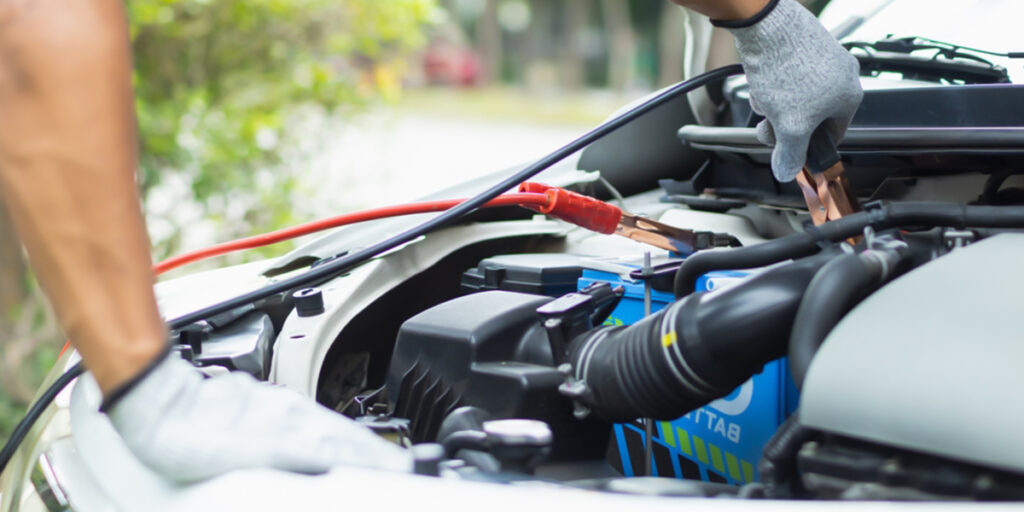
From production lines to after-sales servicing, even car maintenance electrical cables must meet high durability standards to avoid unexpected failures.
Poor cable selection can lead to:
- Voltage drops
- Overheating
- Signal interference
- Short circuits
- System failure
- Warranty claims and recalls
On the other hand, the right cable selection ensures:
- Reliable power transmission
- Long service life
- Reduced maintenance
- Regulatory compliance
- Improved vehicle safety
For decision-makers and technical teams, this is not just a technical choice; it’s a risk management and performance decision.
-
Battery Cables
What They Do
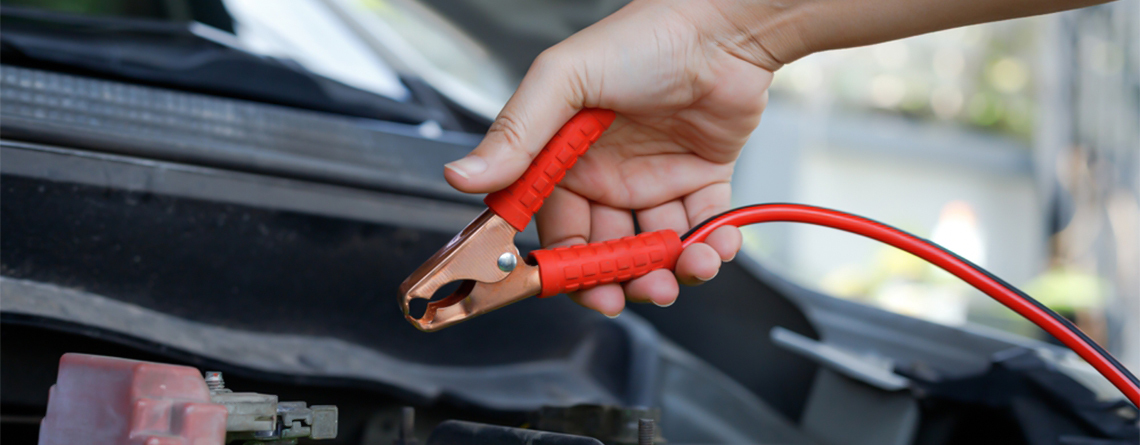
Battery cables connect the vehicle battery to the starter motor and electrical system. They handle high current loads during engine start-up.
Key Features
- Thick copper conductors
- Heavy-duty insulation
- High heat resistance
- Corrosion protection
Where They Are Used
- Starting systems
- Power distribution networks
- EV battery connections
Why They Matter to You
Using high-quality battery cables reduces voltage loss and prevents overheating during ignition. For fleet operators and OEMs, this means fewer breakdowns and longer component life. In EVs, proper battery cable selection directly affects efficiency and safety.
-
Primary Automotive Wire
What It Does
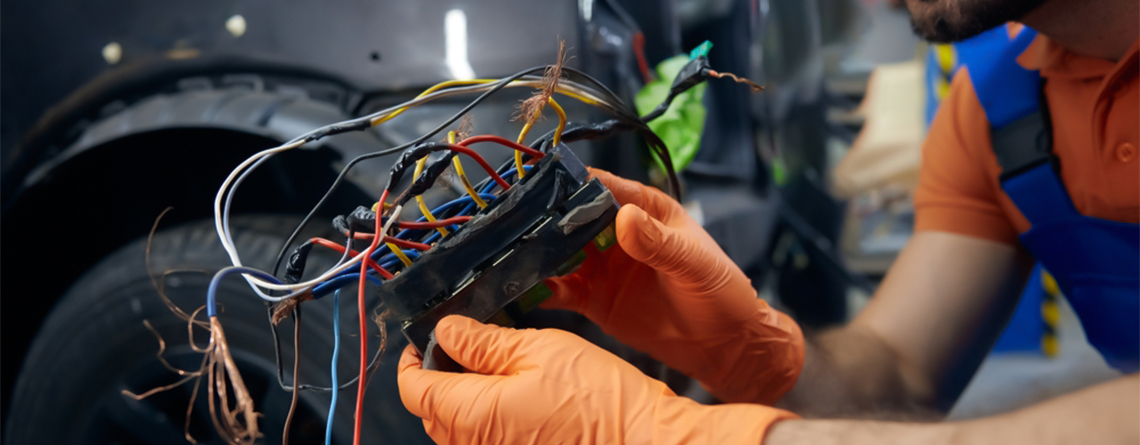
Primary wire is the most commonly used automotive cable. It distributes low-voltage power throughout the vehicle and forms the backbone of many company electric wires used in automotive wiring harnesses.
Key Features
- PVC, XLPE, or cross-linked insulation
- Flexible construction
- Temperature resistance
- Oil and chemical resistance
Where It Is Used
- Lighting systems
- Interior electronics
- Dashboard wiring
- Control modules
Practical Benefit
For wiring harness manufacturers and automotive assemblers, choosing durable primary wire reduces cracking, insulation failure, and maintenance costs. It also ensures consistent performance in high-temperature engine compartments.

-
Shielded Cables
What They Do
Shielded cables protect signals from electromagnetic interference (EMI). Modern vehicles contain many sensitive electronic systems that require clean signal transmission.
Key Features
- Braided or foil shielding
- Noise reduction capability
- Stable signal transmission
Where They Are Used
- Infotainment systems
- ADAS sensors
- CAN bus communication
- Navigation and control modules
Why They Matter
Signal interference can disrupt safety systems or data communication. For automotive electronics manufacturers, using shielded electrical cables for cars improves reliability and prevents costly diagnostic issues later. This is especially important in EVs and hybrid vehicles, where high-voltage systems can create interference.
-
Coaxial Cables
What They Do
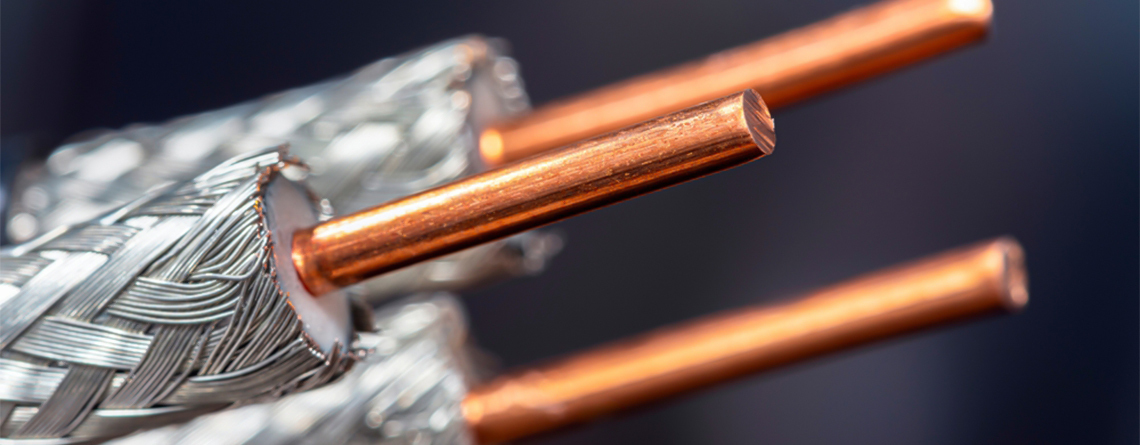
Coaxial cables transmit high-frequency signals with minimal loss.
Key Features
- Central conductor
- Insulating layer
- Metallic shield
- Outer protective jacket
Where They Are Used
- GPS systems
- Rear-view cameras
- Antennas
- Advanced driver assistance systems
- Operational Advantage
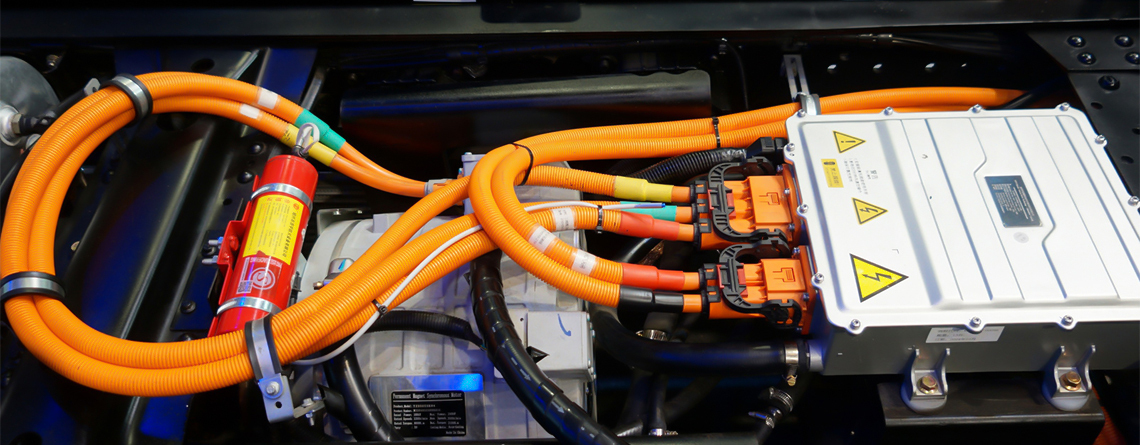
For OEMs integrating smart features, reliable coaxial cables ensure stable signal quality. This improves system accuracy and enhances user experience, a key competitive advantage in modern vehicles.
-
High-Voltage Cables (EV & Hybrid Vehicles)
What They Do
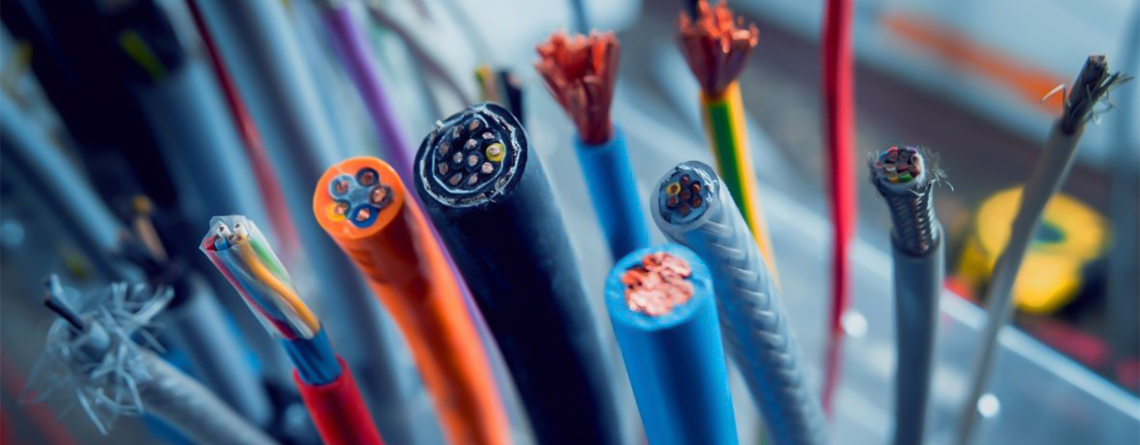
High voltage automotive cables transmit power between battery packs, inverters, and electric motors in EVs and hybrid vehicles.
Key Features
- Thick insulation
- Orange protective sheathing (industry standard)
- High-temperature tolerance
- Flame resistance
Where They Are Used
- EV battery systems
- Charging systems
- Electric motor connections
Why They Are Critical
These cables operate under extreme electrical loads. Poor-quality high-voltage cables can cause safety hazards, overheating, or energy loss.
For EV manufacturers and energy-focused automotive suppliers, selecting certified high-voltage cables ensures compliance with international safety standards and protects both brand reputation and end users.
-
Control Cables
What They Do
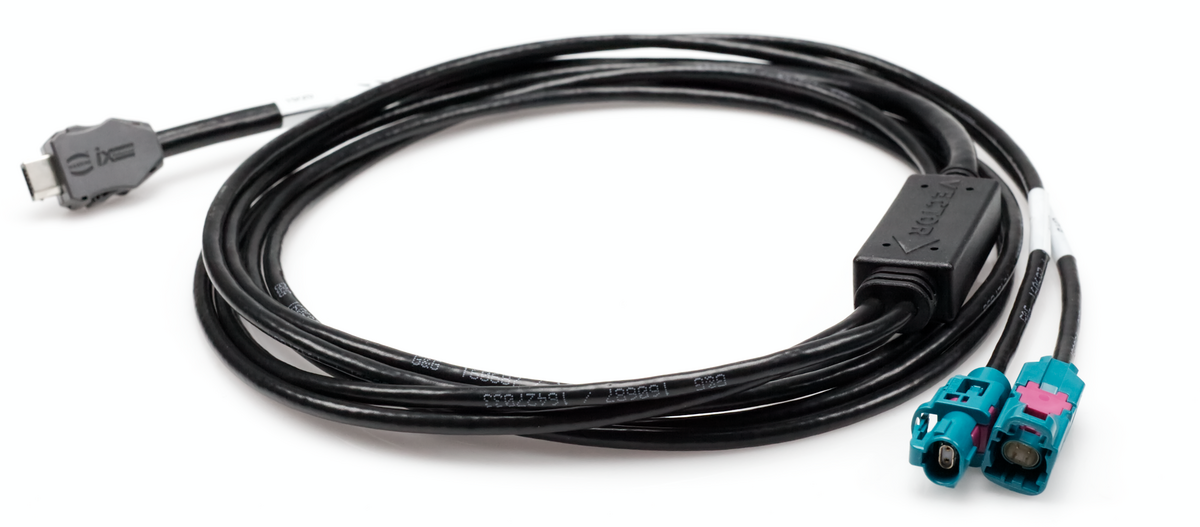
Control cables transmit mechanical movement or low-voltage signals to activate components.
Where They Are Used
- Throttle systems
- Brake systems
- Transmission controls
- Seat adjustments
Business Impact
Reliable control cables ensure smooth mechanical performance. For vehicle manufacturers, this reduces warranty claims and improves overall driving experience.
-
Data and Communication Cables
What They Do
Modern vehicles rely heavily on data networks. CAN, LIN, and Ethernet cables allow communication between electronic control units (ECUs).
Key Features
- Twisted pair construction
- Shielding for interference protection
- High data transmission speed
Where They Are Used
- Engine management systems
- Airbag systems
- Vehicle diagnostics
- Autonomous driving features
Why This Matters to Engineers
Inconsistent data transmission can compromise safety systems. Choosing high-quality communication cables ensures real-time data accuracy, system synchronization, and long-term reliability.
Key Factors to Consider When Selecting Automotive Cables
To ensure optimal performance, professionals should evaluate:
-
Temperature Rating
Engine compartments experience extreme heat. Select cables rated for the appropriate temperature range.
-
Voltage and Current Capacity
Incorrect ratings can cause overheating and failure.
-
Environmental Resistance
Automotive cables must withstand exposure to oil, chemicals, moisture, and vibration.
-
Compliance Standards
Look for cables that meet international standards such as ISO, SAE, and RoHS requirements.
-
Flexibility and Durability
Vehicles are exposed to constant vibration and movement. Flexible, durable cables last longer and reduce maintenance costs.
The Cost of Choosing the Wrong Cable
Cutting costs in cable selection may seem minor, but it can lead to:
- System downtime
- Production delays
- Increased warranty costs
- Brand reputation damage
- Safety risks
For manufacturers and suppliers, investing in certified, tested automotive cables is a long-term savings strategy.
Looking For Reliable Automotive Cable Solutions?
Universal Cables offers high-quality automotive power cables designed to meet the demanding requirements of modern vehicle systems. As one of the leading automotive cables manufacturers in Pakistan, we focus on delivering durable, high-performance, and standards-compliant cable solutions for OEMs, engineers, and automotive assemblers.
Our cables are engineered to ensure reliable power transmission, enhanced safety, and long-term operational efficiency, helping our partners reduce failures, improve system performance, and build vehicles that are ready for the future.
Contact Universal Cables today to discuss your project requirements and find out how our expertise can support your next vehicle platform.