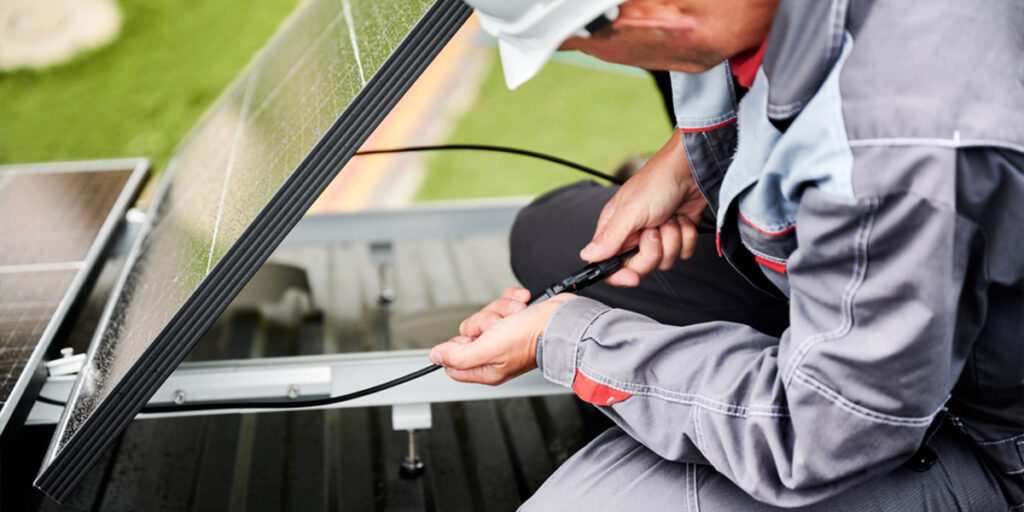
When investing in solar, most people focus on panels and inverters. They compare brands, check efficiency rates, and calculate savings.
But what if the real problem isn’t your panels at all?
There’s one small component that quietly controls your system’s safety, efficiency, and long-term performance, and many system owners overlook it completely.
In this blog, we’ll uncover the most common solar wire and cable installation mistakes that could be costing you money and performance and show you exactly how to avoid them. If you want your solar system to deliver maximum returns for the next 20–25 years, make sure you read till the end.
Are You Facing These Solar System Problems?
You invested in solar to reduce electricity bills and get long-term savings. But now you might be experiencing:
- Your inverter trips again and again
- Solar production seems lower than expected
- Solar wires look messy or overheated
- You notice voltage fluctuation warnings
- Maintenance costs are increasing
- You’re worried about fire or safety risks
If any of this sounds familiar, the problem might not be your panels. Even if you’re using the best wire for solar panels, the problem might still lie in poor installation.
In many cases, the real issue lies in poor solar cable installation.
Solar wires and cables carry the power your panels generate. If they are incorrectly selected or poorly installed, your entire system’s performance suffers.
Why Solar Cable Installation Matters So Much
Your solar system works as a complete chain:
Panels generate DC power → cables carry it → inverter converts it → AC power runs your loads.
If cables are compromised, the chain breaks.
Poor installation can lead to:
- Energy losses through voltage drop
- Overheating
- Short circuits
- Reduced system lifespan
- Fire hazards
Since solar is a 20–25 year investment, cable quality and installation should never be taken lightly.
Let’s break down the most common mistakes and how you can avoid them to protect your investment.
1. Using the Wrong Cable Size
One of the most common mistakes is using undersized cables.
Many installers try to reduce costs by choosing thinner cables. While this saves money initially, it creates long-term problems. When the cable size is too small for the current flowing through it, heat builds up. This causes energy loss and damages insulation over time.
Even a small voltage drop of 2–3% means you are losing free solar energy daily.
To avoid this:
- Always calculate load current and cable length
- Perform proper voltage drop calculations
- Follow international standards
- Choose cable size according to system capacity
Correct sizing ensures maximum power delivery and prevents overheating.
2. Using Normal Electrical Wire Instead of Solar DC Cable
Another serious mistake is using regular building wire instead of certified solar cable.
Solar cables are specially designed to handle:
- High DC voltage
- Continuous sunlight exposure
- Extreme rooftop temperatures
- Outdoor weather conditions
Normal AC wire insulation cracks under UV exposure. Over time, this leads to exposed conductors and safety hazards.
Always use PV-rated, UV-resistant solar cables designed specifically for photovoltaic systems. This ensures long life and safety, especially when sourcing from a reliable solar cable manufacturer in Pakistan.
3. Poor Cable Routing on Rooftops
Cable management is often ignored.
Loose cables lying on rooftops can rub against sharp edges, get damaged by wind, or sit in water during rain. In some cases, rodents chew exposed wires.
This leads to insulation damage and short circuits.
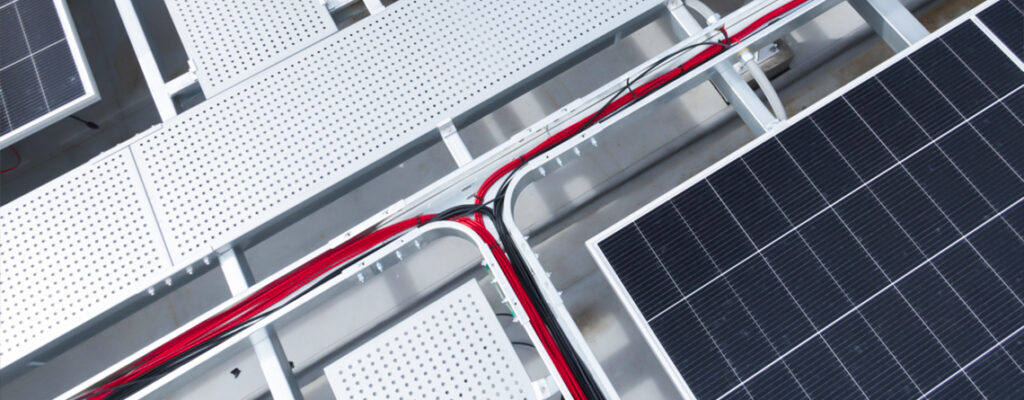
Proper routing includes using cable trays, conduits, and UV-resistant clips. Cables should be secured neatly and kept away from sharp metal edges or water drainage paths.
Neat routing not only looks professional but also prevents expensive repairs later.
4. Ignoring Proper Grounding (Earthing)
Grounding is not optional; it is essential.
Without proper earthing, your system becomes vulnerable to lightning and electrical faults. In countries where thunderstorms are common, poor grounding can damage inverters and even create shock risks.
Proper grounding includes:
- Installing earthing rods
- Connecting panel frames to earth
- Grounding inverter body
- Testing earth resistance
Good grounding protects your equipment and your property.
5. Loose or Improper MC4 Connections
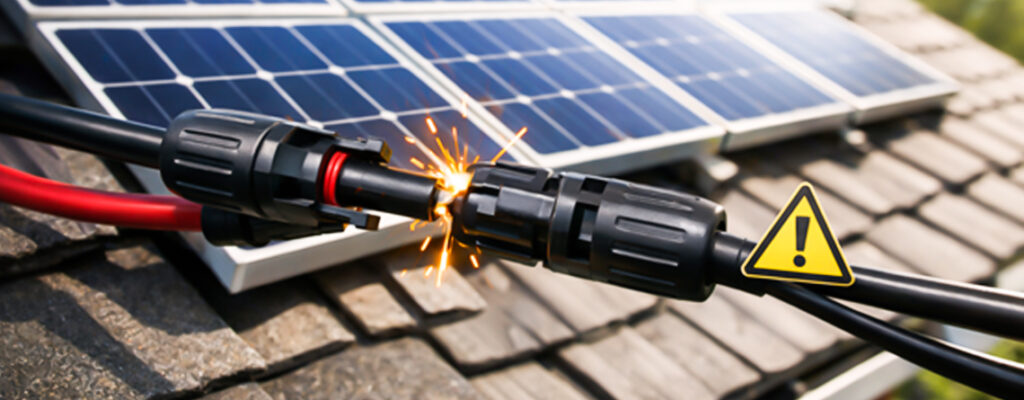
MC4 connectors are commonly used in solar DC connections. However, improper crimping or loose fitting is a very common mistake.
When connectors are not properly locked:
- Sparks may occur
- Heat builds up
- Fire risk increases
- Power interruptions happen
Installers should use proper crimping tools and ensure connectors are fully tightened. Polarity should always be double-checked before final connection.
Small connection mistakes can create major safety hazards.
6. Mixing Different Cable Types and Materials
Sometimes installers mix different cable sizes or use copper in one section and aluminium in another.
This creates an imbalance in current flow and can lead to overheating in certain sections.
For best performance:
- Use uniform cable sizes in the same string
- Prefer high-quality copper conductors
- Avoid mixing different cable brands randomly
Consistency ensures stable power flow and longer cable life.
7. Poor Separation of DC and AC Cables
Running DC and AC cables together is another technical mistake.
DC cables carry high-voltage current from panels, while AC cables carry converted power to your load. Mixing them can create interference and safety risks.
They should be routed separately and clearly labeled. This also makes maintenance easier in the future.
8. Ignoring Heat Protection
Rooftops can become extremely hot, especially in cities with high temperatures. When cables directly touch hot metal sheets or surfaces, insulation can degrade faster.
Heat-damaged cables become brittle and crack over time.
To prevent this:
- Use heat-resistant solar cables
- Maintain air gaps
- Install cable trays instead of placing cables directly on the roof sheets
Heat protection increases cable lifespan substantially.
9. No Proper Labeling and Documentation
Many systems are installed without labeling DC strings or AC lines.
This creates confusion during maintenance or emergency shutdowns. Technicians may waste time identifying lines, which increases risk.
Every solar system should have:
- Clearly labeled DC strings
- Marked AC output lines
- System diagrams stored for reference
This improves safety and makes troubleshooting faster.
10. Hiring Untrained Installers
Perhaps the biggest mistake is choosing the cheapest installer instead of a qualified one.
Poor workmanship leads to messy wiring, incorrect sizing, unsafe connections, and future breakdowns. What you save today in installation cost, you may lose later in repairs and downtime.
Before hiring:
- Check previous projects
- Ask about certifications
- Ensure they use standard-compliant materials
Professional installation protects your long-term return on investment.
Protect Your Solar Investment with Quality Cables
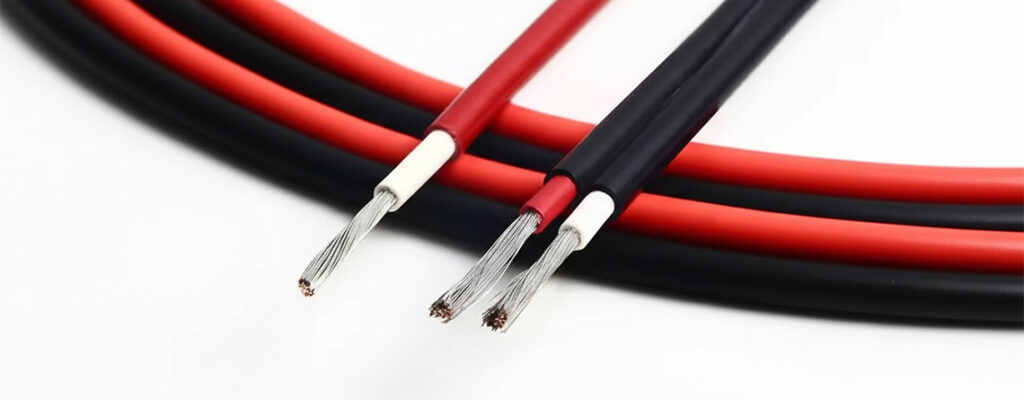
When it comes to avoiding costly installation mistakes, choosing the right cable supplier is just as important as selecting the right installer. High-quality solar cables play a critical role in preventing voltage drops, overheating, insulation damage, and long-term system failures.
At Universal Cables, a leading electrical wires and cables manufacturer in Pakistan, we produce premium-grade,weather-resistant, and high-performance Greener XLPO Solar Cables engineered specifically for residential, commercial, and industrial solar installations across Pakistan. Our solar wires and cables are designed to withstand harsh outdoor conditions while ensuring safe, stable, and efficient power transmission.
If you want your solar system to deliver maximum output and long-term reliability with complete peace of mind, choose trusted, standards-compliant solar wires and cables from Universal Cables.
Contact our team today for guidance on the right cable size and specifications.