
Conductors play a vital role in the transmission of electrical power, and two widely used materials for conductors are copper and aluminium. Copper conductors have long been recognized for their superior electrical conductivity, while aluminium conductors offer advantages in terms of cost and weight. In this blog, we will delve into the world of conductors, focusing on the offerings of Universal Cables Pakistan. We will explore the benefits of copper versus aluminium conductors, explain their characteristics, and provide insights into the manufacturing processes employed by Universal Cables Pakistan.
Conductors are essential components in electrical systems that facilitate the flow of electric current. Copper and aluminium are two widely used materials for conductors due to their excellent electrical conductivity. In this section, we will define conductors, explore the properties and benefits of copper conductors, and provide an introduction to aluminium conductors. Additionally, we will discuss their applications and usage in various industries.
Good Electrical Conductors:
Conductors are materials that allow the flow of electric current through them with minimal resistance. They play a crucial role in electrical power transmission and distribution systems, enabling the efficient delivery of electricity. Conductors are typically chosen based on their conductivity, mechanical properties, and cost-effectiveness.
Copper Conductors:
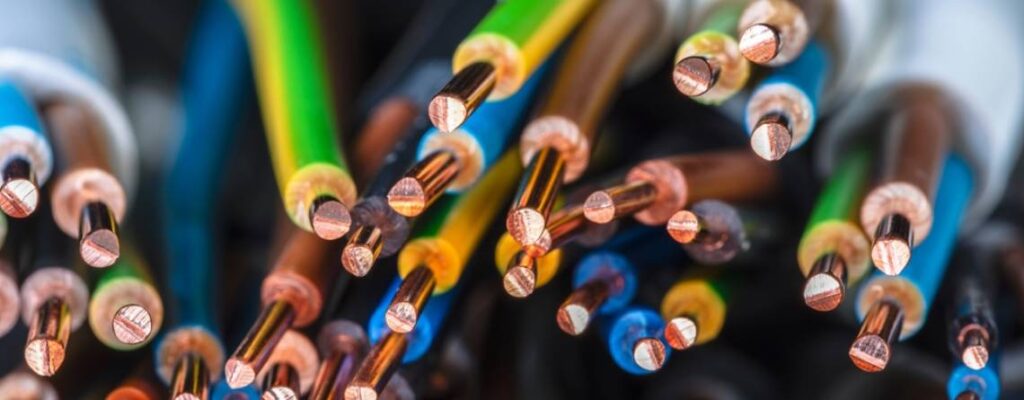
Properties and Benefits:
Copper is known for its exceptional electrical conductivity, making it an ideal material for conductors. It offers low electrical resistance, high thermal conductivity, and excellent corrosion resistance. Copper conductors also exhibit good ductility, allowing for easy bending and installation. Furthermore, copper has a high melting point, ensuring stable performance even under elevated temperatures.
Applications and Usage:
Copper conductors find extensive usage in various applications, including:
- Electrical wiring in residential, commercial, and industrial buildings.
- Power transmission and distribution networks.
- Telecommunications and data transmission.
- Electrical motors and generators.
- Automotive wiring and electrical systems.
Aluminium Conductors:
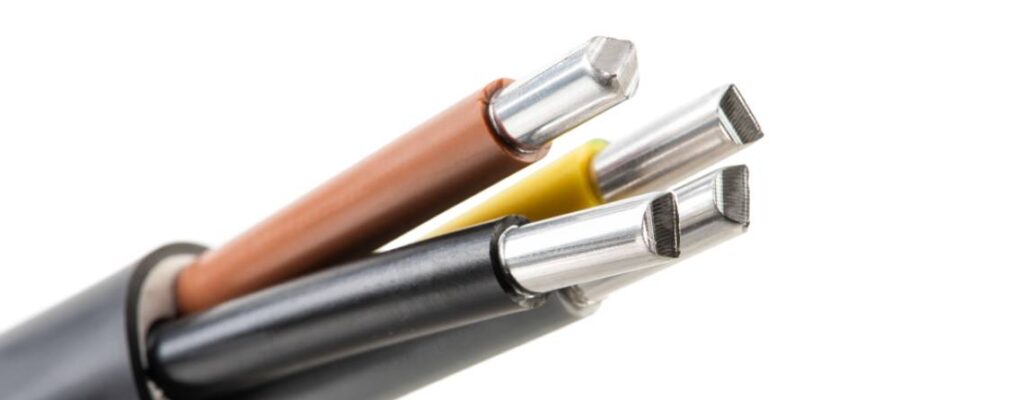
Properties and Benefits:
- Aluminium conductors are renowned for their lightweight and cost-effectiveness. While aluminium has lower electrical conductivity compared to copper, it compensates with its lower density.
- Aluminium conductors also have good corrosion resistance, allowing for extended lifespan in outdoor installations. Additionally, aluminium is non-magnetic, which is advantageous in certain applications.
Applications and Usage:
Aluminium conductors are commonly used in various applications, including:
- Overhead power transmission and distribution lines.
- Large-scale power generation facilities.
- High-voltage and extra-high-voltage transmission networks.
- Railways and transportation systems.
- Submarine and underground cable systems.
Copper vs Aluminium Conductors: A Comparative Analysis
Copper and aluminium are two commonly used materials for conductors, each offering distinct advantages. In this section, we will delve deeper into the benefits of copper and aluminium conductors, comparing their electricalproperties, mechanical characteristics, cost considerations, and applications. By understanding the strengths of each material, we can make informed decisions when selecting the most suitable conductor for specific electrical projects.
Electrical Conductivity:
Copper Conductors:
- Copper has a higher electrical conductivity than aluminium, resulting in lower electrical resistance.
- The low resistance of copper conductors minimizes power loss and enhances efficiency in electrical transmission and distribution systems.
- Copper conductors are ideal for applications that require high electrical performance and low voltage drop.
Aluminium Conductors:
- Aluminium has lower electrical conductivity compared to copper, resulting in slightly higher electrical resistance.
- Aluminium conductors are suitable for applications that do not demand high conductivity, such as overhead power lines and long-distance transmission.
Mechanical Strength and Durability:
Copper Conductors:
- Copper exhibits superior mechanical strength, making it more resistant to deformation during installation and maintenance.
- Copper conductors have excellent flexibility, allowing for easier bending and shaping.
- The durability of copper conductors ensures long-term performance and reduced maintenance requirements.
Aluminium Conductors:
- Aluminium is lightweight and has good flexibility, making it easier to handle and install.
- However, aluminium conductors are more susceptible to mechanical stress and deformation compared to copper.
- Proper support and reinforcement measures must be taken to ensure the structural integrity of aluminium conductors.
Cost Considerations:
- Copper Conductors: Copper is generally more expensive than aluminium, primarily due to its higher material cost.
Despite the initial higher cost, copper conductors offer long-term cost advantages due to their durability, lower resistance, and higher conductivity.
- Aluminium Conductors: Aluminium is more cost-effective than copper, making it an attractive option for projects with budget constraints.
The lower cost of aluminium conductors can offset the slightly higher power losses associated with their higher resistance.
Applications and Usage :
Copper Conductors:
- Copper conductors are commonly used in residential, commercial, and industrial electrical installations.
- They are suitable for high-performance applications, including power distribution networks, motors, transformers, and high-end electrical equipment.
- Copper conductors are also preferred in environments where corrosion resistance and reliability are critical.
Aluminium Conductors:
- Aluminium conductors are widely used in overhead power transmission lines, especially for long-distance transmission.
- They are preferred in applications where weight reduction is essential, such as aerospace, railways, and automotive industries.
- Aluminium conductors are cost-effective choices for large-scale electrical projects with moderate conductivity requirements.
Copper and aluminium conductors offer distinct benefits depending on the specific requirements of electrical projects. Copper conductors excel in terms of electrical conductivity, mechanical strength, and durability, making them suitable for a wide range of applications. Aluminium conductors, on the other hand, provide cost advantages, lightweight characteristics, and specific suitability for long-distance transmission lines. By considering factors such as electrical conductivity, mechanical properties, cost considerations, and intended applications, engineers and installers can make informed decisions when selecting between copper and aluminium conductors.
Contact us today to learn more about our extensive range of copper and aluminium conductors cables and how we can assist you in your commercial connectivity needs.
FREQUENTLY ASKED QUESTIONS:
What is electrical conductivity and conductor resistance?
Electrical conductivity and conductor resistivity are essentially the opposite of each other:
Electrical conductivity is the ability of a material to conduct an electrical current. Conductor resistance is the inherent resistance to current flow in a conductor.
The more electrically conductive a material is the less resistance it offers to current flow. The more resistance the conductor is to current flow, the less conductive it is Due to its excellent electrical properties as well as ready availability, copper is the metal most frequently used for electrical conductors. In 1913 the IEC (International Electrotechnical Commission) established a standard for copper conductivity, the IACS (International Annealed Copper Standard), based on the resistivity of annealed copper being equal to 100 percent conductivity.

Although the unit of conductivity is the Mho, its reciprocal, the Ohm is more usually used to express both resistance and thus a measure of conductivity – the lower the resistance in Ohms, the more conductive the material.
What is a good conductor?
Typically, metals, metal alloys, electrolytes and even some nonmetals, like graphite and liquids, including water, are good electrical conductors. Pure elemental silver is one of the best electrical conductors. Other good electrical conductors include the following: copper. steel.
What are copper and aluminum conductors?
Copper and aluminium are most frequently used as the electrical conductors in electrical cables due to their low resistance and excellent conductivity. These metals are both ductile and relatively resistant to corrosion, but they also have different properties which make them useful for various applications.
Why is copper a better conductor than aluminum?
Why use copper rather than aluminium as the conductor in power cables? Copper has a significantly lower electrical volume resistivity: 0.017241 (Ω x mm2)/m for copper, compared to 0.0282 (Ω x mm2)/m for aluminium . This difference is highly relevant for power cables.
What is aluminum conductor called?
AAC, AAAC, ACSR form part of the family of Overhead Conductors, Transmission Conductors and Power Distribution Conductors. These cables are formally known as All Aluminium Conductor (AAC), All Aluminium Alloy Conductor (AAAC) and Aluminium Conductor Steel Reinforced (ACSR).
What are 3 types of conductors?
Types of Conductors :
- AAC : All Aluminium conductors.
- AAAC : All Aluminium Alloy conductors.
- ACSR : Aluminium conductors, Steel-Reinforced.
- ACAR : Aluminium conductor, Alloy-Reinforced.
Is copper stronger than aluminium?
Copper is stronger than aluminium. It expands less but both materials have a similar maintenance schedule. Copper can carry almost twice the current capacity of aluminium, which makes them slightly smaller in size than aluminium wound transformers.
Can aluminum rust?
Does Aluminium Corrode? While aluminium doesn’t rust, it does corrode. The aluminium oxide coating is highly resistant and renews itself if damaged keeping the metal relatively safe from corrosion. But some factors can cause the coat to become unstable, thus exposing the metal.
What is an example of an aluminum conductor?
Aluminum is such a good conductor of electricity that even aluminum foil can be used as a conductor. Foil tends to be too delicate for most industrial applications, but it just goes to show the advantages of this material. One of the most familiar and oldest applications for aluminum is electrical wire.
Does aluminium conduct heat?
As you can see, out of the more common metals, copper and aluminium have the highest thermal conductivity while steel and bronze have the lowest. Heat conductivity is a very important property when deciding which metal to use for a specific application.
L.T Power Cables Manufacturer in Pakistan – Universal Cables
The Best Automotive Cables Manufacturer in Pakistan–Universal Cables
The Best Flexible Cables Manufacturers in Pakistan – Universal Cables
The Best Coaxial Cable Manufacturer in Pakistan – Universal Cables