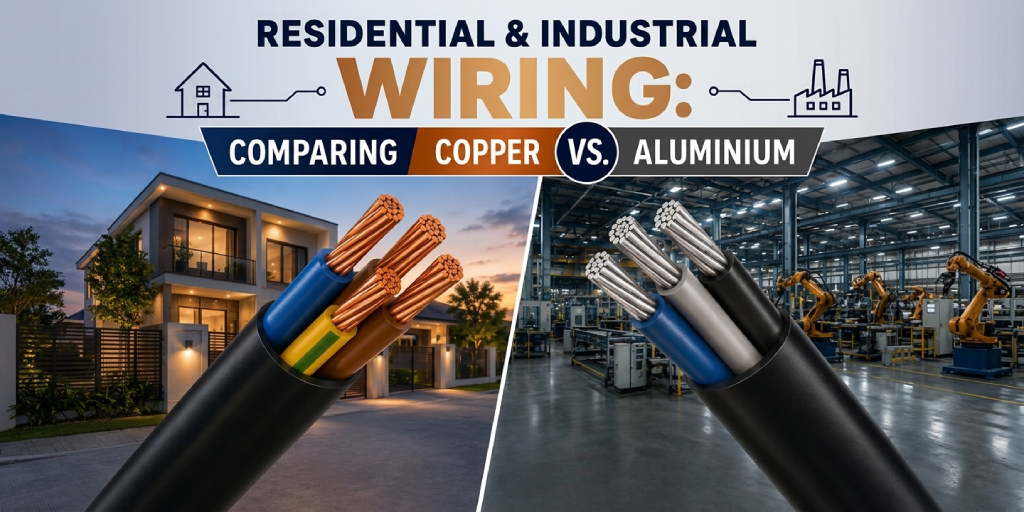
One hot summer afternoon in Karachi, Jameel decided he could save money by installing cheap, low-quality wiring in his workshop. “Wire toh wire hoti hai,” he said confidently while sipping chai like an electrical engineer with 20 years of experience.
Three weeks later, the fan stopped working, sparks appeared near the switchboard, and the workshop smelled like burnt toast mixed with regret.
Electricians across Pakistan see versions of this problem every year. During peak summer months, overloaded circuits, undersized conductors, and poor-quality wiring often become more noticeable because higher temperatures and increased AC usage place additional stress on electrical systems.
Jameel learned something many people discover the hard way: Not all electrical cables are the same.
Whether you are wiring a small home, a factory, or a massive industrial setup, choosing between copper and aluminium wiring matters more than most people think. The wrong choice can affect safety, performance, durability, and even your electricity bills.
So let’s settle the debate:
Copper wiring vs aluminium wiring, which one is better for residential and industrial wiring?
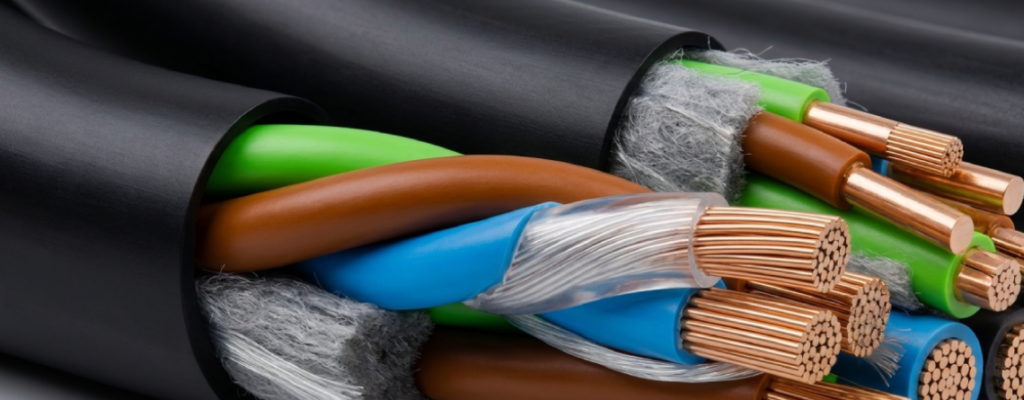
First, What Is a Wire Made Of?
In electrical engineering, conductor performance is evaluated using measurable properties including conductivity, resistance, thermal behavior, tensile strength, and expansion characteristics. International standards such as IEC guidelines use these performance factors when determining cable applications and specifications.
Inside every wire is something called a conductor: the actual metal that carries electricity from point A to point B. Think of it as a road. Electricity is the traffic. The conductor is the road it drives on.
Now, the two most commonly used conductors in the world are:
⦁ Copper
⦁ Aluminium
Both are metals. Both carry electricity. But they are as different as a smooth motorway and a bumpy dirt road, and using the wrong one in the wrong place can cause serious problems.
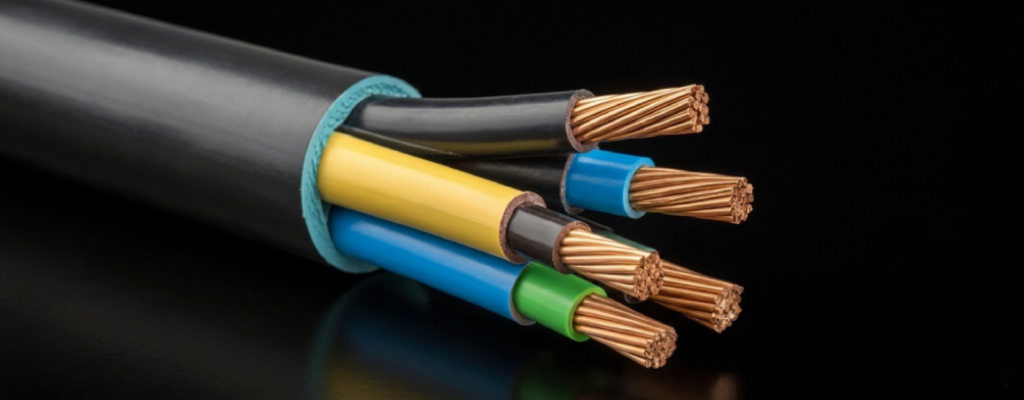
Why Is Copper So Popular? What Makes It Special?
Copper has been used in wiring for over 100 years. And honestly, it deserves all the respect it gets. Here’s why people love it:
1. It carries electricity really well:
Copper has an electrical conductivity of approximately 58 million siemens per meter (MS/m), or nearly 100% IACS conductivity. This allows efficient electrical flow with lower resistance and reduced energy loss compared with many alternative conductor materials.
2. It’s strong but also flexible:
You can bend copper wire, pull it through walls, twist it around corners, and it won’t snap or crack. Electricians love working with copper because it’s easy to handle. It’s basically the “good student” of the wire world.
3. It doesn’t rust easily:
Copper fights off corrosion really well. A little darkening on the surface? Normal. But it won’t break down or weaken the way other metals do when exposed to moisture or air.
4. It’s safe for homes:
This is the big one. For residential electrical cables, your bedroom, kitchen, drawing room, and bathroom, copper is the safest and most reliable choice. It handles heat well, connects properly to switches and sockets, and has been trusted in millions of homes for generations.
This is exactly why copper cable manufacturers in Pakistan, like Universal Cables, continue to prioritize copper wiring. When people search for the best electric cables in Pakistan, our copper cables are often considered the best choice for home use, and for good reason.
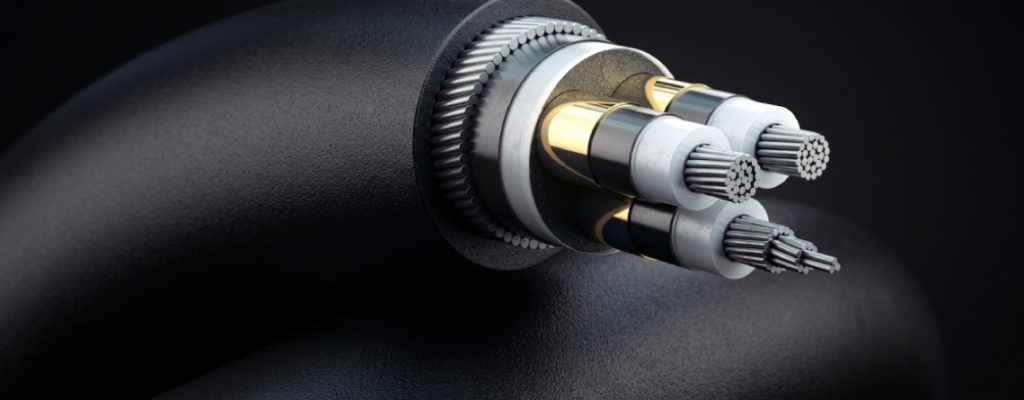
Then, Why Does Aluminium Wire Exist? Is It Just Cheap Stuff?
Okay, aluminium gets a bad reputation. Aluminium is actually very useful; you just need to use it in the right place.
Here’s what aluminium is actually good at:
1. It’s super lightweight:
Aluminium weighs about three times less than copper. Imagine running electrical cables for hundreds of kilometers across cities and mountains. If you used copper for all of that, the weight alone would be a nightmare and cost a fortune.
With aluminium? Much easier. Much lighter. Much cheaper to transport and install.
Aluminium conductors typically provide around 61% of copper’s conductivity. Because of this, larger conductor sizes are often used to deliver equivalent electrical performance.
Engineers compensate through conductor sizing and approved termination methods.
2. It costs less:
Aluminium is significantly more affordable than copper. For big infrastructure projects, power stations, factories, and national grids, using copper would make costs go through the roof. Aluminium makes large-scale electrical work financially possible.
3. It’s great for big industrial and transmission work:
Pakistan’s national power grid?
Industrial zones?
Large factories?
They all use aluminium conductors for high-voltage lines and industrial power cables. It’s not about being cheap; it’s about making a smart decision.
So What’s the Actual Difference?
Here’s a quick and easy electrical conductor comparison:
| Feature | Copper | Aluminium |
| Conductivity | ~100% IACS | ~61% IACS |
| Density | 8.96 g/cm³ | 2.7 g/cm³ |
| Weight | Heavier | Much lighter |
| Flexibility | Excellent | Moderate |
| Thermal expansion | Lower | Higher |
| Tensile strength | Higher | Lower |
| Corrosion resistance | Very high | Moderate |
| Typical use | Homes, offices | Transmission, industrial projects |
In short:
- For residential branch-circuit wiring, copper remains the preferred option because of its conductivity, flexibility, and long-term connection reliability.
- Running power lines across a city or setting up a factory? Aluminium makes more sense.
It’s not about which one is “better.” It’s about which one is right for the job. Using aluminium in your home sockets is like wearing boots to go swimming. Technically possible. Practically a disaster.
Which Wiring Works Best for Homes?
For homes, safety and long-term performance usually come first.
Electrical systems in houses support lighting, appliances, air conditioners, and everyday electronics. Strong conductivity and durability become important. This is why copper remains a popular option for the best electric cables in Pakistan used in residential settings.
A smaller cable size and reliable performance make copper a practical choice for home wiring needs.
Contractors and electricians in Karachi, Lahore, and Faisalabad often prioritize conductor reliability because summer electrical demand can increase due to air conditioners and continuous appliance usage. Stable conductor performance becomes increasingly important under these operating conditions.
Which Wiring Works Best for Industries?
Industrial environments often involve heavy machinery, large equipment, and high electrical loads.
Large factories and infrastructure projects often require extensive cable systems over long distances. In these situations, aluminium can become a cost-effective solution for industrial power cables and large-scale power transmission cables.
The right selection depends on project needs, load requirements, and installation conditions.
Understanding Safety Standards Matters
When selecting electrical cables, consider whether products meet recognized standards and testing requirements.
Examples include:
- IEC standards for cable performance
- ISO quality systems
- PSQCA compliance requirements
- Conductor and insulation testing procedures
- Voltage and temperature performance verification
Products tested against recognized standards generally provide more predictable long-term performance and safety.
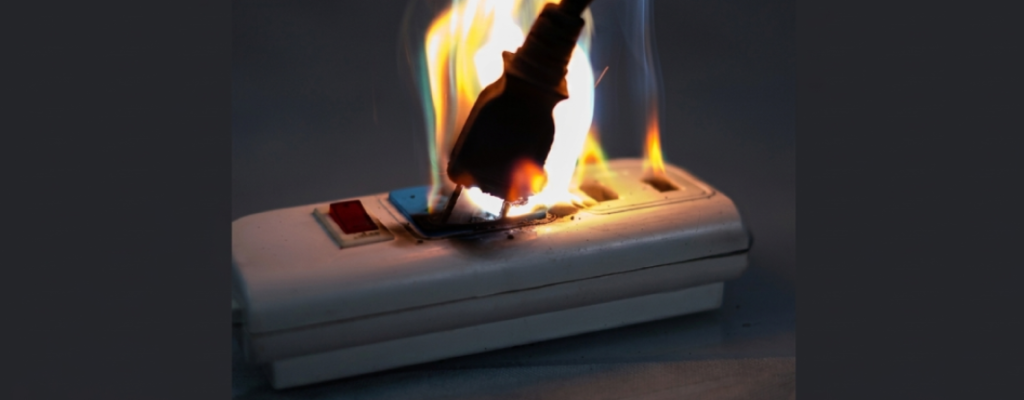
What Can Go Wrong If You Use the Wrong Wire?
Great question. Here’s what can go wrong:
- Overheating: Wrong wire = more resistance = more heat = fire risk
- Higher electricity bills: Energy gets wasted, and you pay for it
- Frequent tripping: Your circuit breaker keeps cutting off because it’s overloaded
- Damaged appliances: Poor wiring slowly kills your fridge, AC, and electronics
- In the worst cases: electrical fires
Still think it doesn’t matter? Ask Jameel. He now has a very healthy respect for proper wiring.
Why Trust Universal Cables for Your Wiring Needs?
Universal Cables has been providing quality electrical cables to homes and industries across Pakistan for years. Here’s what makes us different:
- High-quality copper wiring for safe and reliable home use.
- Durable aluminium cables for industrial and transmission use.
- Products tested to meet international safety standards.
- Built specifically for Pakistan’s climate and electrical demands.
- Trusted by contractors, engineers, and homeowners across the country.
Whether you’re building a new house in Karachi, setting up a factory in Faisalabad, or upgrading your shop’s wiring in Lahore, Universal Cables has the right product for you.
From everyday residential electrical cables to heavy-duty power transmission cables, Universal Cables products cover it all, with quality you can actually trust.
Quick Reminders Before You Go:
- Always check whether you need copper or aluminium before buying.
- Never let price be the only factor in your decision.
- Always hire a qualified electrician for installation.
You’ve learned the difference. Now it’s time to make the smart choice.
Visit our website to browse our full range of copper and aluminium cables, from residential wiring to heavy-duty industrial solutions.
Frequently Asked Questions
- Can aluminium wiring be used in homes?
Yes. Aluminium can be used in certain residential applications when correctly sized and installed with compatible connectors and approved fittings.
- Why is copper more expensive?
Copper offers higher conductivity and stronger mechanical performance, which increases material value.
- Which lasts longer: copper or aluminium?
Both can remain in service for decades when installed correctly and maintained according to electrical standards.
- Can poor wiring increase electricity bills?
Excessive resistance and poor conductor selection may contribute to energy losses and reduced system efficiency.