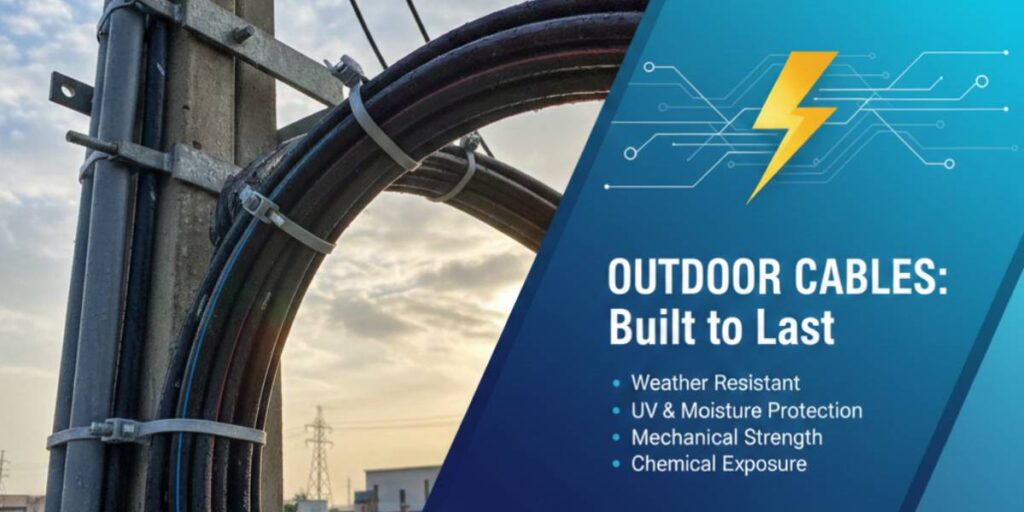
Electrical cables are indispensable components of modern infrastructure, enabling the transmission of power and information across vast networks. While electrical cables are typically installed indoors, there are instances where outdoor applications are required. Outdoor environments pose numerous challenges, such as temperature fluctuations, moisture, UV radiation, mechanical stresses, and chemical exposure, which can adversely affect the performance and longevity of cables. Therefore, it is crucial to understand the specific features and design considerations that make electrical cables suitable for outdoor use. This comprehensive article explores the various aspects that contribute to the durability and effectiveness of electrical cables in outdoor environments, including cable construction, insulation materials, protection mechanisms, and standards and regulations. By delving into these topics, readers will gain a deep understanding of the essential characteristics that ensure electrical cables can reliably operate in diverse outdoor settings.
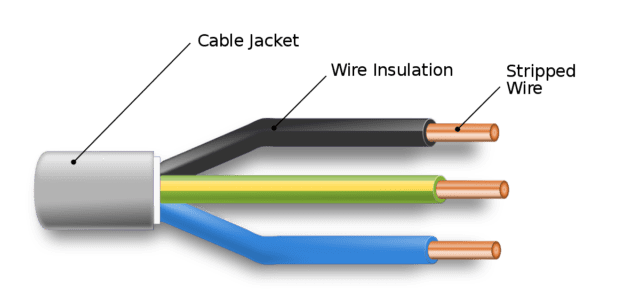
Unprotected outdoor cables must, as a minimum, be weather resistant, which includes protection against the typical ambient temperature range, UV light, ozone and water. There are several different methods and material types used for outdoor cables. Materials such as Ethylene propylene rubber (EPR), Polychloroprene (PCP) and Fluorocarbon naturally have a very good weathering resistance, whilst others such as PVC and Polyethylene can be made resistant with the addition of specific additives or stabilisers such as carbon black.
The concluding section summarizes the key points discussed throughout the article, emphasizing the importance of selecting appropriate electrical cables for outdoor use. It reinforces the significance of considering factors such as cable construction, insulation materials, protection mechanisms, and adherence to standards and regulations.
By delving into the intricacies of electrical cables designed for outdoor use, this comprehensive article equips readers with the knowledge necessary to make informed decisions when selecting and installing cables in various outdoor applications. Understanding the specific features and design considerations that make electrical cables suitable for outdoor use is paramount to ensuring the safety, reliability, and longevity of outdoor electrical systems.
Contact us today to learn more about our extensive range of electric cables and how we can assist you in your commercial connectivity needs.
L.T Power Cables Manufacturer in Pakistan – Universal Cables
The Best Flexible Cables Manufacturers in Pakistan – Universal Cables
The Best Automotive Cables Manufacturer in Pakistan–Universal Cables
What are the benefits of PE insulated cables?
- What cables are suitable for outdoor use?
Materials such as Ethylene propylene rubber (EPR), Polychloroprene (PCP) and Fluorocarbon naturally have a very good weathering resistance, whilst others such as PVC and Polyethylene can be made resistant with the addition of specific additives or stabilisers such as carbon black.
- What is outdoor electrical cable?
Outdoor electrical cable is designed to supply mains electricity and can be used in cable ducting, power networks and underground systems as well as for powering residential buildings.
- Which type of cable would be the best for mechanical protection outdoors?
PVC conduit: Cables that are placed under the ground are exposed to corrosive environments. PVC conduits offer suitable mechanical protection and chemical resistance.
- How can I protect my cables outside?
In order to reduce the safety risk, the electrical cables can be protected using heavy duty cable ties and nylon cable ties (or cable cleats) which is an effective way to organize and manage the electrical cables.
- How do you know if a wire is rated for outdoor use?
Rating Indicator — Look for the letter “W” on the cord or on the packaging. That’s the letter used to identify cords that are designed for outside electricity use. Insulation — Extension cords rated for outdoor use have additional insulation around the wires in the cord.
- What is the difference between indoor and outdoor electrical cable?
The primary difference between an indoor and outdoor cord is the insulation. Cords for outdoors also use a bright orange, vinyl, or plastic covering that protects again moisture and weather conditions. Sunlight can break down unprotected indoor extension cords. Outdoor extension cords have three prong plugs.
- What is outdoor wire called?
UF-B stands for “underground feeder cable.” UF-B electrical cable is designed to bring power from indoor to outdoor constructions.
- Are outdoor cables waterproof?
Outdoor cable selection can be daunting for even the most experienced installer, let alone a DIYer tackling a home project. Exterior rated Ethernet cables are waterproof and have a UV resistant jacket designed to withstand sunlight, snow and ice. Direct burial rated cables can be buried in the ground without conduit.
- Are outdoor power cables waterproof?
Outdoor extension cords can often get wet from rain and snow. While it isn’t an ideal situation, it’s not dangerous or damaging. While water won’t hurt the cord, you should avoid touching the plug to remove it while wet.
- What type of fiber cable is used outdoors?
Optical fibers commonly used in outdoor environments include loose tubes, micro-cables, and ribbon cables.