
It usually starts with a very familiar situation.
You’re getting late. Maybe it’s an office morning, maybe a family dinner, or maybe you’re standing in a parking lot after a long day. You sit in your car, turn the key… and nothing happens. No engine sound. Just silence.
At that moment, your mind starts racing.
“Battery dead hai?”
“Ab mechanic kahan se mile ga?”
“Kitna time waste hoga?”
This is exactly where jumper cables for batteries enter the story.
The Moment You Realize the Problem
A dead car battery doesn’t announce itself loudly. Sometimes the lights look a little dim. Sometimes the engine just clicks. And sometimes nothing happens at all.
Most of us have faced this at least once. And most of us wish we had a simple solution ready instead of panic, calls, and waiting.
This is the moment jumper cables are made for.
They don’t look fancy. They don’t take up much space. But when your car refuses to start, they suddenly become the most valuable thing in your trunk.
So, What Exactly Are Jumper Cables?
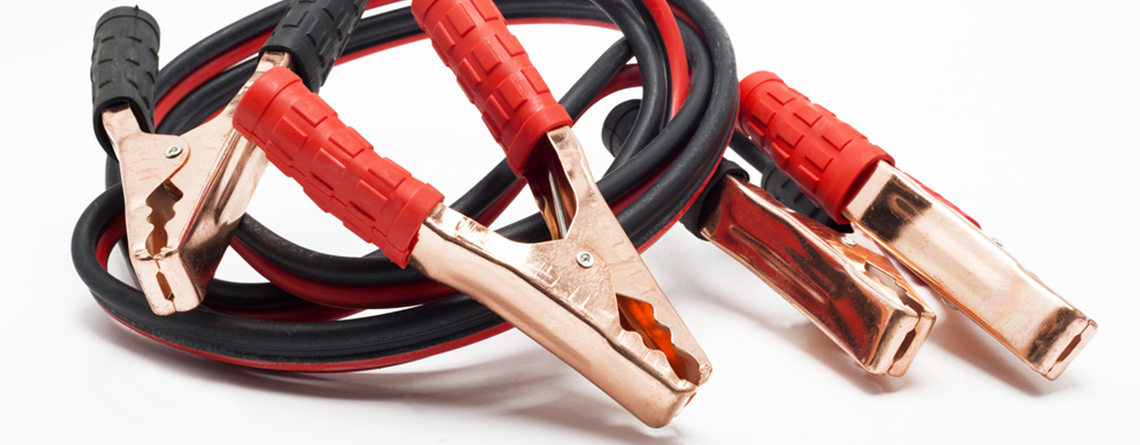
Jumper cables are two thick wires with strong clamps on both ends. One cable is red, one is black, and this color difference matters more than you think.
Their job is very simple:
to transfer power from a working battery to a dead battery.
They don’t fix the battery permanently.
They don’t replace a mechanic.
They just give your car the push it needs to come back to life.
What Voltage Do Jumper Cables Carry?
This is a very common question.
Jumper cables themselves do not create voltage.
They simply carry voltage from one battery to another.
Standard Voltage:
- Most cars use a 12-volt battery
- Jumper cables are designed to handle 12 volts
For Larger Vehicles:
- Trucks, buses, or heavy machinery may use 24-volt systems
- Special heavy-duty jumper cables for trucks are used in these cases
Good news for everyday drivers:
If you own a normal car, SUV, or small van, standard jumper cables are perfectly safe and sufficient.
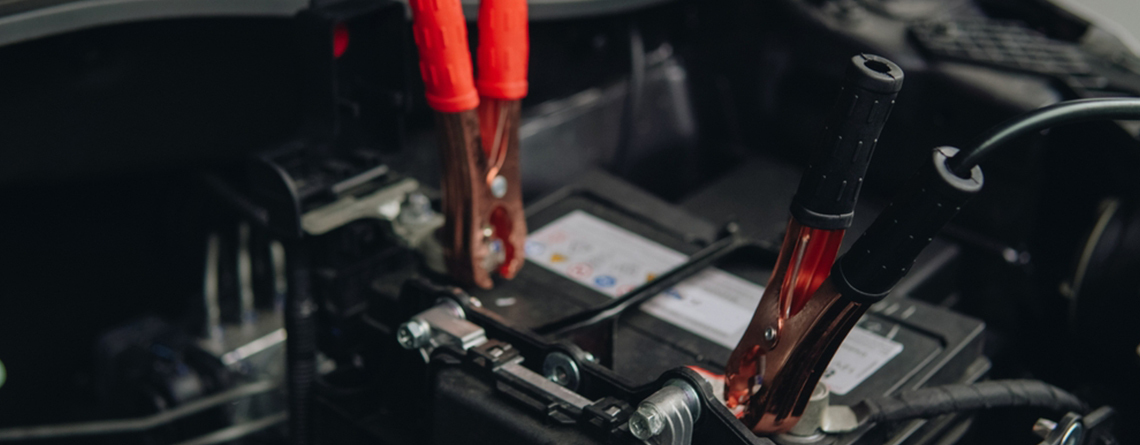
How Do Jumper Cables Work?
Let’s break this down in a very simple way.
When your car battery is dead:
It doesn’t have enough power to start the engine
The engine needs an electrical boost to turn on
Step-by-Step Explanation:
- One end of the jumper cables is connected to a working battery
- The other end is connected to the dead battery
- The working battery sends electrical power through the cables
- This power gives the dead battery enough energy to start the engine
Once the engine starts:
The car’s alternator begins charging the battery again
You can safely remove the jumper cables.
What this means for you:
You don’t need mechanical knowledge; jumper cables make the process quick and easy.
Why Jumper Cables Are Essential for Drivers
Battery issues are unpredictable. Weather conditions, battery age, and short trips can all contribute to sudden battery failure.
Keeping jumper cables in your vehicle offers several advantages:
- Reduced dependence on assistance: You are not forced to wait for roadside services or mechanics for a basic issue.
- Time efficiency: A jump-start can be completed in minutes instead of waiting hours for help.
- Cost savings: Avoid unnecessary service charges for a problem that can be solved easily.
- Preparedness: Having jumper cables means you are ready for common battery-related situations.
These benefits make jumper cables a practical investment rather than an emergency purchase.
Safety Considerations You Should Know
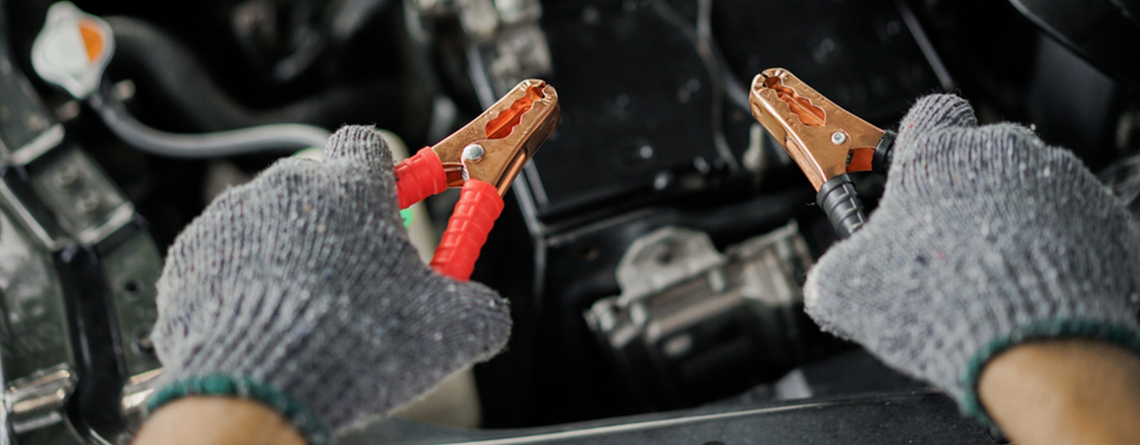
Jumper cables are safe when used properly. Most safety concerns arise from incorrect connections or poor-quality equipment.
Basic safety practices include:
- Always matching positive to positive terminals
- Avoiding contact between clamps during use
- Ensuring the vehicles are turned off before connecting
- Using properly insulated, undamaged cables
Following these steps protects both the user and the vehicle’s electrical system.
For modern vehicles with sensitive electronics, correct usage is especially important.
Why Every Driver Should Keep Jumper Cables
Many people assume battery problems won’t happen to them until they do.
Jumper cables are:
- Affordable
- Lightweight
- Easy to store
- Extremely useful in emergencies
Choosing the best jumper cables for cars ensures better performance, faster starts, and safer operation when you need them most.
Where to Find Reliable Jumper Cables
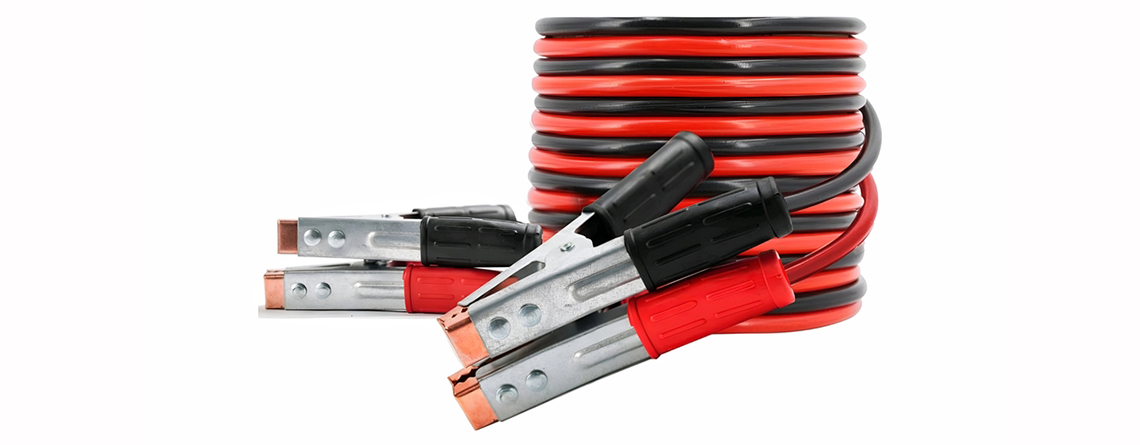
Understanding how jumper cables work is important, but choosing the right quality jumper cables matters just as much. Poor-quality cables may not transfer power efficiently and can even create safety risks during use.
This is where Universal Cables, a top DC cables manufacturer, focuses on making a difference.
At Universal Cables, jumper cables are designed to meet real-world driving needs. Our cables are manufactured using high-grade conductive materials that ensure smooth and efficient power transfer, especially during emergency jump-start situations.
What sets Universal Cables jumper cables apart:
- High-quality copper conductors for better current flow
- Thick insulation to handle heat and reduce electrical risks
- Strong, well-gripped clamps for secure battery connections
- Durable outer coating suitable for repeated and long-term use
For drivers, this means:
- Faster jump-starts
- Reduced risk of overheating or power loss
- Reliable performance when it matters most
Universal Cables focuses on providing dependable, safety-oriented jumper cables so drivers can handle unexpected battery issues with confidence rather than uncertainty.
Choose Universal Cables for the reliability you can trust on the road.
Everything Considered
Jumper cables may look simple, but they are one of the most valuable tools a car owner can have. They don’t generate voltage themselves, but they safely carry 12-volt power from a working battery to a dead one, helping your car start quickly and easily.
Understanding how jumper cables work and keeping a reliable set in your car, especially from a trusted jumper cables manufacturer in Pakistan, can save you from stress, delays, and unnecessary expenses.
A small tool can make a big difference when you need it most.