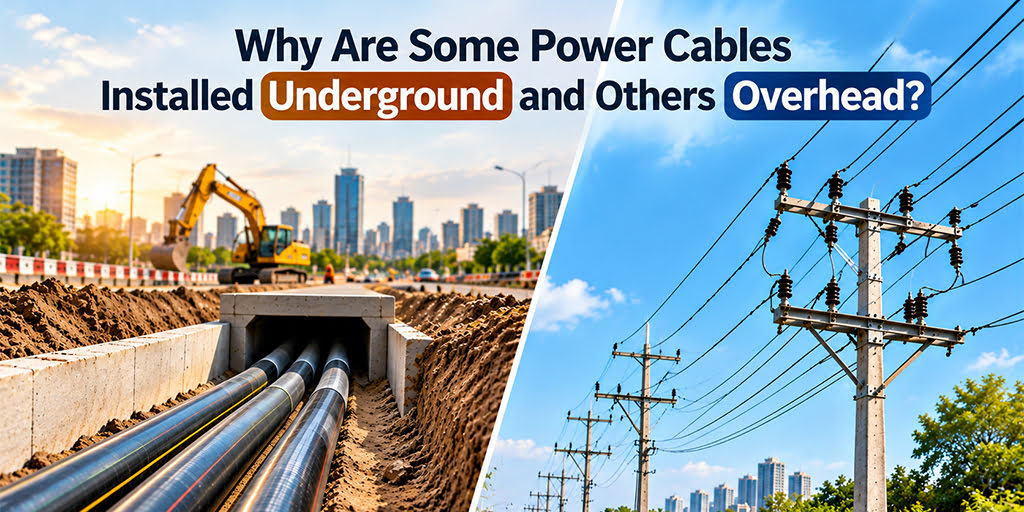
Underground and overhead power-distribution systems can both deliver reliable electricity, but they involve different installation, maintenance, and environmental considerations. The choice is usually based on factors such as voltage level, route conditions, available space, installation cost, environmental exposure, safety requirements, and future access for maintenance.
For projects in Pakistan, engineers may also need to consider heat, seasonal rainfall, flooding, dust, existing utilities, and future road or construction work. The most suitable system, therefore, depends on the specific network and site conditions rather than on a simple preference for underground or overhead installation.
Why Are Underground Power Cables Used in Some Projects?
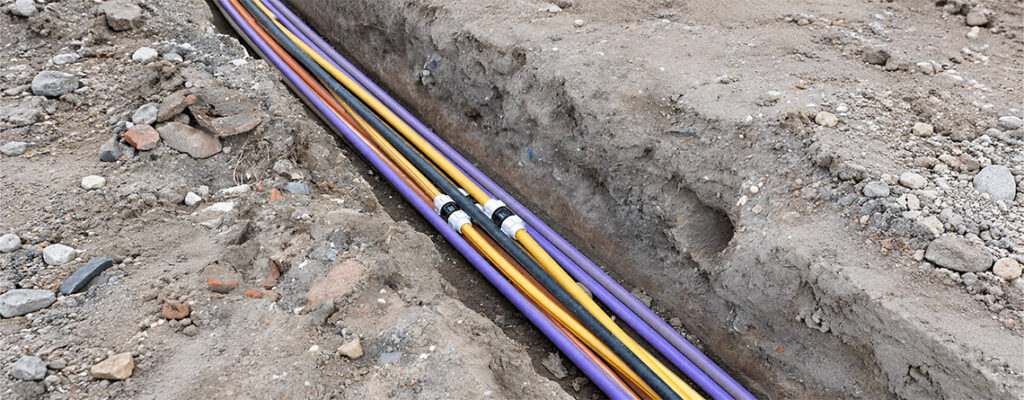
Underground power cables are installed in trenches, ducts, conduits, or other specially designed underground systems, the choice depending on the particular project and the installation environment. They are frequently used in modern housing estates, in commercial districts, at airports, in factories, and in urban developments where both safety and appearance are important.
According to the International Energy Agency (IEA), undergrounding power lines can improve grid resilience in certain locations by reducing exposure to weather-related damage, although the approach requires a higher upfront investment compared to overhead networks.
Underground systems generally make use of good insulating materials, for example PVC insulated cablesand XLPE insulated wires, since they have to be protected against moisture, soil pressure, and external damage.
What Are the Advantages of Underground Cable Installation?
Underground cables provide several benefits, including:
- Better protection from weather conditions: Underground cables are generally less exposed to wind, storms, and direct sunlight than overhead lines. However, flooding, excavation work, soil movement, and other underground hazards can still create risks.
- Improved safety: Since cables are hidden underground, there is less chance of accidental contact or physical damage.
- Better appearance: Removing overhead wires creates a cleaner and more organized environment.
- Reliable performance: Properly installed underground cables can provide a stable electricity supply for many years.
- Suitable for developed areas: Cities and commercial zones often prefer underground networks because of limited space and aesthetic requirements.
Even though underground cables have many advantages, their installation involves a greater initial outlay. The cost of excavation, the need for protective measures, and the planning of repair access can all lead to higher project expenses.
What Are the Challenges of Underground Cables?
The installation and fault-location processes for underground systems can be more complicated than those for overhead networks, and excavation, the use of ducts, joints, terminations, concerns regarding drainage, and the need to provide access for possible future repairs can also lead to a higher level of project complexity and cost.
Why Are Overhead Power Cables Still Commonly Used?
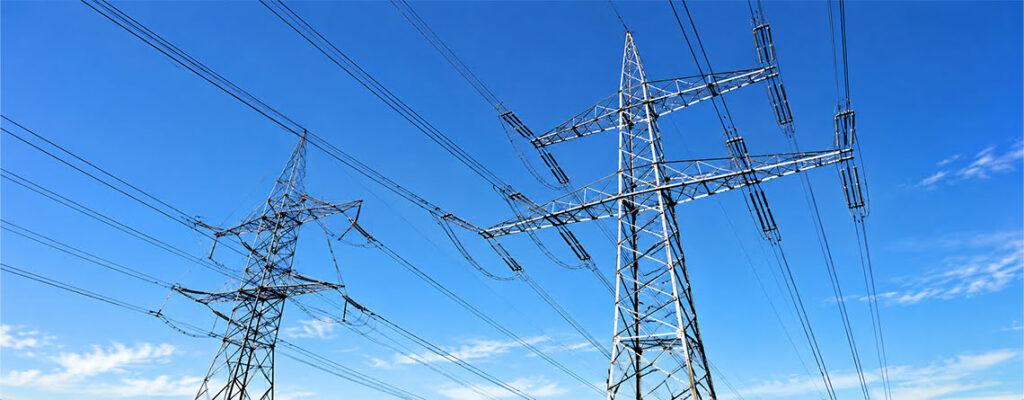
Overhead power cables are supported by poles, towers, or other kinds of structures that are situated above the ground and still constitute one of the most commonly used methods of electricity distribution since they are cheap and easier to maintain.
The U.S. Energy Information Administration (EIA) explains that overhead transmission lines remain widely used because they are generally less expensive to install and maintain compared with underground transmission systems, especially for long-distance electricity networks.
In many rural areas, on highways, and in large open spaces, overhead networks are used since it is not always practical to install underground systems there.
Modern overhead installations usually make use of Aerial Bundle Cables (ABC), since they offer a greater level of safety than traditional open-wire systems. These ABC cables consist of several insulated conductors bundled together, which in turn reduces risks and increases reliability.
What Are the Benefits of Overhead Cable Systems?
Overhead installations are preferred because they offer:
- Lower installation costs compared to underground networks
- Faster installation and expansion
- Easier inspection and maintenance
- Quick identification of faults
- Simple repair processes without excavation
Overhead cables are just as vulnerable as other systems to environmental factors like storms, falling trees, and accidental damage.
What Is the Difference between Underground and Overhead Power Cables?
Both systems are intended to safely supply electricity, but they differ in their characteristics.
| Factor | Underground | Overhead |
| Installation | Trenches, ducts or conduits | Poles, towers or other structures |
| Initial installation | Generally higher | Generally lower |
| Weather exposure | Lower direct exposure | Greater exposure |
| Fault access | Often requires specialized locating and excavation | Generally easier to inspect |
| Maintenance | More complex in many situations | Usually easier to access |
| Appearance | Less visible infrastructure | Visible poles and conductors |
| Typical applications | Urban, commercial and infrastructure projects | Rural, open and many distribution networks |
Which Types of Cables Are Used for Power Distribution?
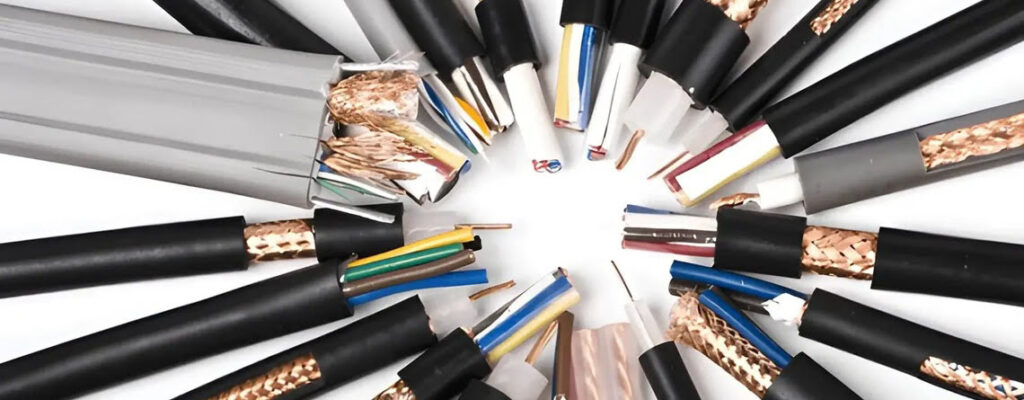
Different projects need different cable designs, depending on voltage level, environment, and performance needs.
The International Electrotechnical Commission (IEC) develops widely used international standards for electrical cables, including requirements related to cable construction, insulation, testing, and performance. Standards such as IEC 60502 are commonly referenced for power cables with extruded insulation used in distribution networks.
- Low voltage (LV) cables: LV cables are frequently used in houses, offices, and small commercial buildings and are used for distributing electricity from local transformers to end users.
- MV cables: Medium Voltage (MV) cables are used for power distribution networks, factories, and large commercial projects in which a higher voltage capacity is needed.
- PVC insulated cables: PVC insulated cables are so widely used because they offer good insulation, are durable, and resist moisture as well as environmental conditions.
- Armoured cables: Armoured cables have an extra protective layer which is intended to resist mechanical damage and are usually regarded as suitable for use in situations where the cables might be subject to physical impact or in harsh environments.
- XLPE insulated wires: XLPE insulation is widely used in power cables where its electrical and thermal characteristics are suitable for the operating conditions and applicable cable standard.
- Copper conductors: Copper conductors are commonly used in quality cable systems because copper has excellent electrical conductivity. This helps reduce power losses and improves overall efficiency.
Key Cable Installation Considerations in Pakistan
In Pakistan, cable-system selection can involve site conditions that are particularly important during planning. Engineers may need to account for high temperatures, seasonal rainfall, flooding risk, dust, existing utility networks, and the possibility of future excavation.
In dense urban developments, underground systems may help where available space, road layout and visual considerations make overhead infrastructure difficult. At the same time, underground installation requires careful planning for drainage, cable routes, joints, terminations and future access.
In rural or open areas, overhead distribution can remain practical where suitable rights-of-way are available, and ease of inspection and maintenance is important.
The decision should therefore be based on the project’s electrical requirements and site conditions rather than assuming that one installation method is universally better.
How Cable Selection Changes With Installation Conditions
Underground:
- soil/environment
- mechanical protection
- water exposure
- ducts
- trench conditions
- jointing
- termination
- future access
Overhead:
- span
- support structures
- environmental exposure
- conductor/cable arrangement
- clearances
- mechanical loading
- accessibility
How Engineers Choose Between Underground and Overhead Installation
Engineers normally assess several factors before selecting an installation method:
- Required voltage and load
- Route length and available space
- Soil and site conditions
- Environmental exposure
- Installation budget
- Required mechanical protection
- Maintenance and fault-access requirements
- Applicable standards and project specifications
- Future construction or excavation
For example, an urban development with limited space may require an underground solution, while a rural distribution route with accessible rights-of-way may be suitable for overhead construction. The final design should be based on engineering assessment and the requirements of the specific network.
Related Blog: Armoured Vs. Unarmoured Cables: Which One Is Better?
Power Distribution Cable Solutions from Universal Cables
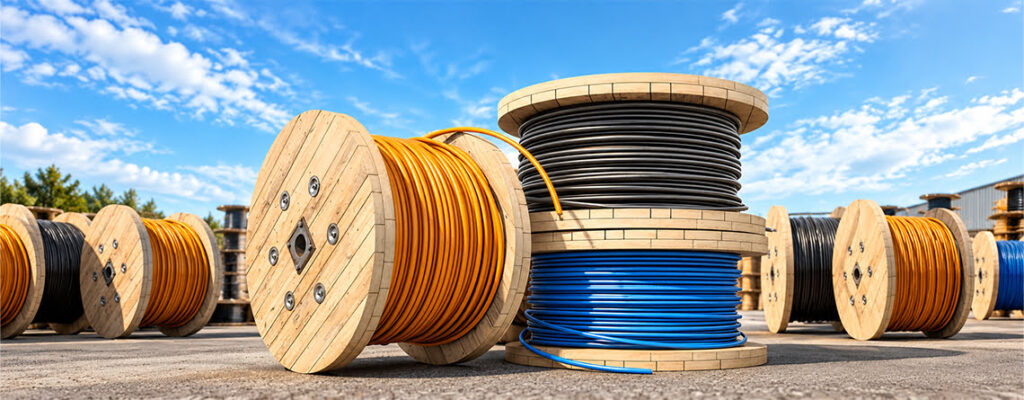
Universal Cables manufactures LV and MV power cables for residential, commercial, industrial, and infrastructure applications. As one of the top electric cables manufacturers in Pakistan, the company provides cable solutions designed for different voltage levels, conductor materials, insulation systems, mechanical protection requirements, installation environments, and applicable standards.
When selecting the appropriate cable system, engineers considering projects that involve underground or overhead distribution can take into account the installation conditions, the expected load, the maintenance requirements, and the project specifications.
If you are planning your next electrical project, choose Universal Cables for reliable, high-performance power solutions built to handle Pakistan’s demanding conditions, whether installed above ground or underground.
Frequently Asked Questions
Are underground cables safer than overhead cables?
The two systems can be made safe if they are properly designed and installed; underground cables are protected against weather exposure, whereas overhead systems make inspection and maintenance easier.
Why are underground cables more expensive?
Carrying out an underground installation involves carrying out excavations, using protective systems, employing specialized equipment, and adopting more specialized methods of detecting faults, which in turn raises the initial costs.
How long do underground power cables last?
The length of time that a cable will last is determined by its design, the quality of its installation, the conditions under which it operates, and the maintenance practices employed.
Which cable insulation is better for underground installation?
XLPE and PVC insulation are commonly used depending on voltage level, environmental conditions, and project requirements.
Are overhead cables outdated?
No. Overhead systems remain widely used because they are economical, easier to maintain, and practical for many distribution networks.
References for Further Reading:
- International Energy Agency (IEA) – Power Systems in Transition: Challenges and Opportunities for Grid Resilience
- U.S. Energy Information Administration (EIA) – Electricity Transmission and Distribution
- International Electrotechnical Commission (IEC) – IEC 60502 Series: Power cables with extruded insulation
About Universal Cables
Universal Cables manufactures electrical cables for residential, commercial and industrial applications. Our product range includes LV and MV power cables and cable solutions using different conductor and insulation systems. Cable selection should be based on the project’s voltage, load, installation environment, applicable standards and required mechanical protection.