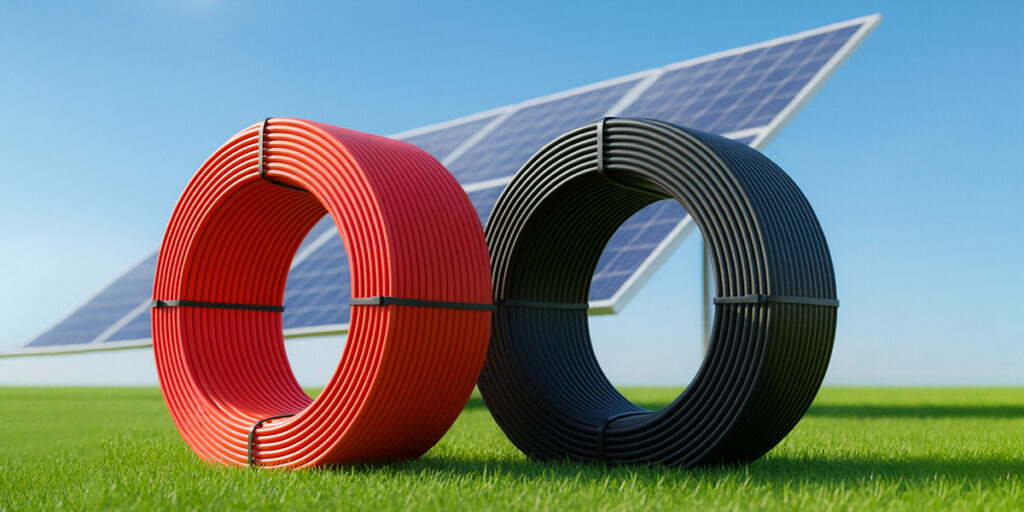
When people talk about solar systems, the spotlight usually falls on panels, inverters, or batteries. But ask any experienced solar installer or EPC contractor, and they’ll tell you the truth:
Your solar system is only as strong as the cables that power it.
DC solar cables may not look exciting, but they quietly carry the entire load of your system’s energy production. One loose connection, one underrated wire, or one low-quality cable exposed to heat or sunlight can reduce efficiency, trigger faults, or even cause dangerous failures.
So today, let’s talk directly about you: the installers, EPC teams, project managers, business owners, and homeowners who want a solar system that performs reliably for 20+ years.
This is everything you need to know about DC solar cables, using insights from Pakistan’s trusted manufacturer, Universal Cables.
What Exactly Are DC Solar Wires & Cables?
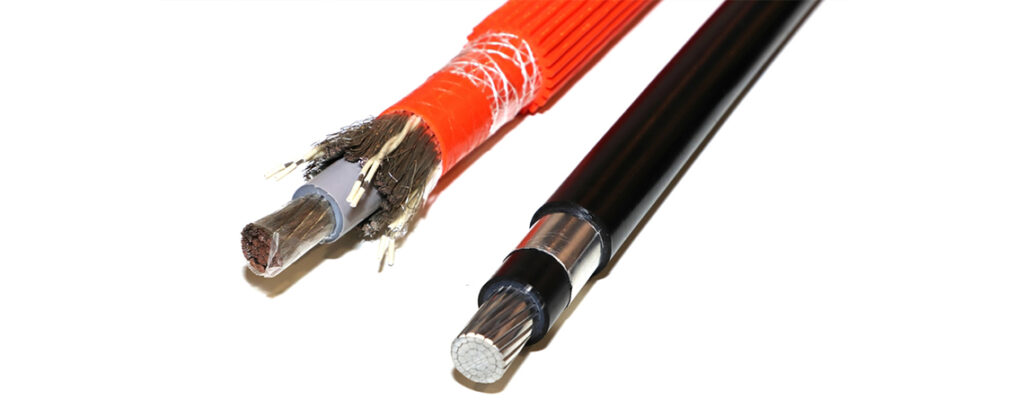
DC solar wires are specialized cables designed to transport direct current (DC) produced by solar panels. Unlike regular household wiring, which is made for AC (alternating current), solar systems need cables that:
- Handle rapid temperature changes
- Resist UV exposure
- Bear long-term outdoor conditions
- Stay flexible for easy routing
- Resist moisture, abrasion, and mechanical stress
In short: DC solar cables are built tough. They’re the first line of defense in keeping your solar system safe and efficient.
Why Can’t I Just Use Normal Electrical Wires?
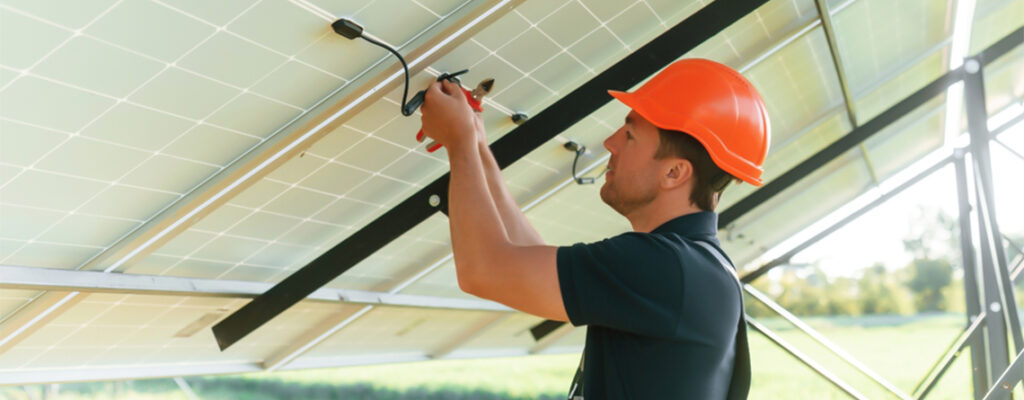
Great question and one many beginners ask.
Here’s the simple truth:
Regular electrical wire is not the best wire for solar panels. They aren’t built for outdoor, high-UV, high-heat, DC applications.
Let us explain why:
1. DC power is more demanding than AC
DC electricity flows steadily in one direction. If a wire isn’t designed for DC, it heats up faster and deteriorates sooner.
2. Outdoor conditions are brutal
Solar cables sit on rooftops or fields, exposed to:
- Harsh sunlight
- Rain and moisture
- Dust and wind
- Rodent activity
- High temperatures during the day and cold temperatures at night
A general-purpose wire will crack, melt, degrade, or fail in months, not years.
3. Safety matters
Solar panels operate for over 25 years. You need a cable that can match that lifespan without becoming brittle or hazardous.
DC Solar Wire vs. DC Solar Cable: What’s the Difference?
People often use the two terms interchangeably, but they aren’t the same.
| Feature | DC Solar Wire | DC Solar Cable | |
| 1. | Construction | Usually, single conductor | Multi-stranded conductor for high flexibility |
| 2. | Material | Solid or stranded copper | Typically, stranded copper |
| 3. | Insulation Level | Basic insulation | Heavy insulation for harsh outdoor conditions |
| 4. | Environmental Resistance | Limited | UV-resistant, moisture-resistant, heat-resistant |
| 5. | Typical Use | Internal connections, inside panels, short runs | Connecting solar panels over longer distances |
| 6. | Flexibility | Lower (especially solid wire) | High flexibility |
| 7. | Application Location | Indoors or protected areas | Outdoor and exposed environments |
If your solar system is installed on a rooftop, ground mount, or commercial site, you will almost always need DC solar cables, especially those rated for outdoor use.
What Are the Different Types of DC Solar Wires & Cables?
To make things easy, here are the most common types you’ll come across:
1. Single-Core Solar Cables
- Most widely used
- Flexible, safe, and easy to install
- Used for panel-to-panel and panel-to-inverter connections
2. Twin-Core Solar Cables
- Two insulated wires inside one jacket
- Makes wiring neat, simple, and organized
- Often used for longer cable runs
3. PV1-F Solar Cable
- Commonly used as PV wire for solar panels, PV1-F is highly resistant to UV rays
- Flame-retardant
- Withstands extreme temperatures
- Long lifespan
4. XLPO Solar Cable
- Excellent heat resistance for long-term use
- Highly UV and weather resistant
- Flame-retardant for safety
- Moisture and chemical resistant
- Flexible and easy to install
- Long lifespan
Why XLPO Solar Cable Is the Industry Favorite
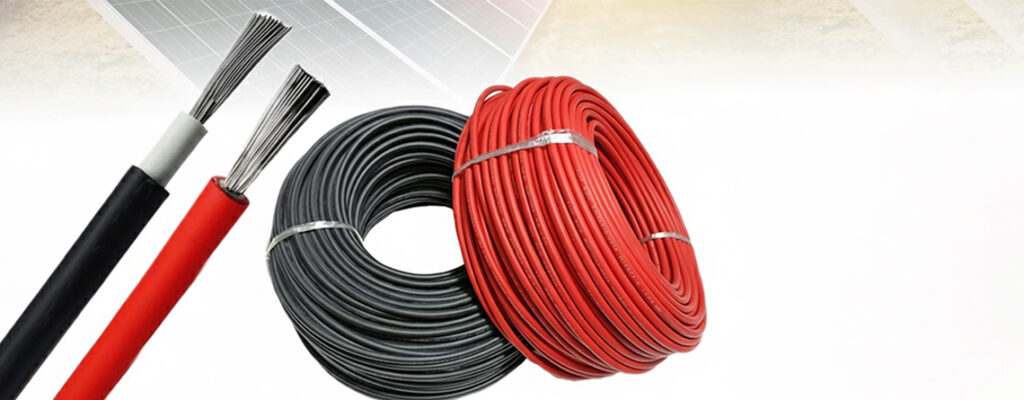
One of the biggest upgrades in modern solar cabling is XLPO insulation.
XLPO = Cross-Linked Polyolefin, a high-performance insulation material that makes these cables ideal for modern solar systems. XLPO solar cables are preferred because they:
- Maintain outstanding electrical conductivity under extreme heat
- Offer superior durability in harsh environments
- Minimize energy loss for maximum efficiency
- Are lightweight and easy to handle on rooftops or large solar farms
- Support eco-friendly, long-term solar installations
XLPO solar cables are now widely used in residential, commercial, and industrial solar installations across Pakistan.
Universal Cables manufactures tinned copper XLPO DC solar cables that comply with international standards such as BS EN 50618, KEMA, and TUV certifications.
How to Choose the Right DC Solar Cable for Your Project
Choosing the best electric cable in Pakistan might feel overwhelming, but if you focus on a few key factors, it becomes much simpler. Here’s what you should consider:
Cable Size and Current Rating
The size of a cable determines how much current it can safely carry. Undersized cables can overheat, cause voltage drops, and reduce the efficiency of your solar system. For home installations, cables typically range from 4mm or 6mm Solar Cable to 10mm Solar Cable, while larger commercial setups may require 16mm or more.
When selecting your cable, also check the solar wire price in Pakistan to ensure it fits your budget without compromising quality.
Insulation and Material
Always look for tinned copper conductors with high-quality insulation, such as XLPO. This ensures longevity, safety, and performance under harsh outdoor conditions.
Environmental Resistance
Make sure your cables are resistant to UV radiation, heat, moisture, and mechanical stress. This is crucial for rooftop systems where cables are exposed to sunlight, rain, and temperature fluctuations year-round.
Certification and Standards
Only buy cables that meet international standards. Certifications like BS EN 50618, TUV, KEMA, or IEC guarantee that the cable has been tested for safety, performance, and reliability.
Trust Universal Cables for Your Solar Wiring Needs
Universal Cables has introduced Greener Universal XLPO Solar Cables, proudly TUV Austria certified, demonstrating our commitment to delivering top-of-the-line products made with cutting-edge technology.
Ready to power your solar system with confidence? Choose Universal Cables for high-quality, durable DC cables and DC wires for solar panels. Contact us today to find the perfect solution for your residential, commercial, or industrial solar project and ensure safety, efficiency, and long-term performance.
Power your solar system reliably with Universal Cables!
With this in Mind
DC solar wires and cables may not always grab the spotlight, but they are the backbone of every reliable solar system. Using high-quality, durable cables like XLPO solar cables from Universal Cables ensures your panels deliver long-lasting, safe, and high-performance operation.
Don’t let poor wiring hold your system back. Invest in the right cables, follow proper installation practices, and rely on certified products. Your solar setup deserves to shine at its best, and with the right cables, you protect your investment and maximize the long-term benefits of your solar system.
Power your solar system the smart way!