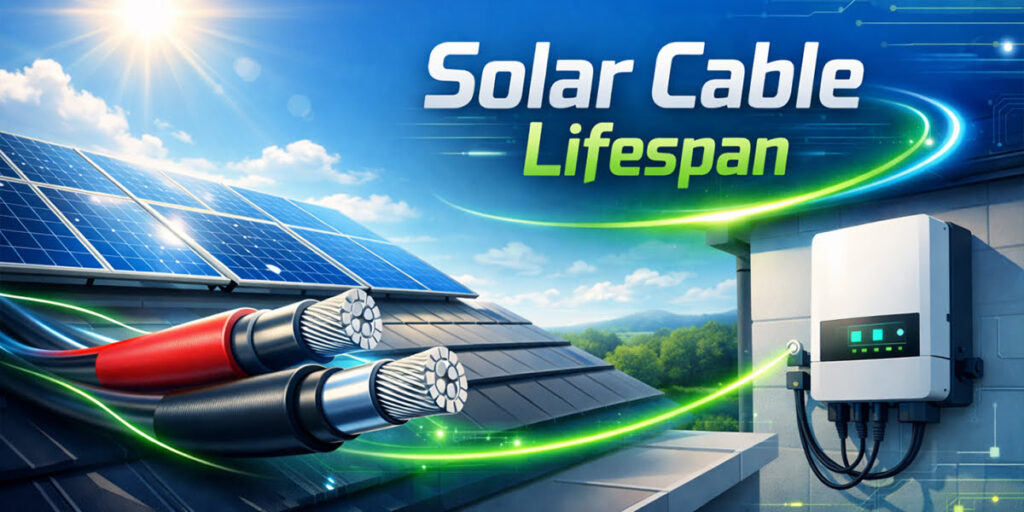
When you invest in a solar system, you usually think about solar panels, inverters, and batteries. But there is one important part that people often ignore: solar cables.
Solar cables (also called solar wires) are the backbone of your system. They carry electricity from the solar panels to the inverter and then to your home or business. If the cables are low quality or damaged, your entire system’s performance can suffer.
So the big question is:
How long do solar cables last?
Let’s break it down so you can understand how to protect your investment and get maximum benefit.
Why Solar Cables Are So Important
Solar cables carry electricity from your solar panels to the inverter and then to your home or business.
If the cable fails:
- Your system efficiency drops
- You lose power
- You may face fire risk
- Maintenance costs increase
That’s why solar cables are not just “wires”. They are the lifeline of your solar system.
When you invest in solar, you deserve cables that last as long as your panels. Choosing the right solar cable manufacturer plays a major role in long-term performance.
Average Lifespan of Solar Cables
A good quality solar cable typically lasts:
25 to 30 years.
Yes, that long.
High-quality solar cables are designed to match the lifespan of solar panels, which also last around 25 years or more.
But this lifespan depends on one important thing: quality.
- Cheap, low-standard cables may only last 5–10 years.
- Premium, certified solar cables can last 25+ years.
So the real answer is:
Solar cables last as long as their quality allows them to.
This is why working with a reliable cables supplier in Pakistan ensures better durability and peace of mind.
What Affects Solar Cable Lifespan?
Let’s understand what makes a solar cable last longer.
1. Sunlight (UV Exposure)
Solar cables are installed outdoors. They face strong sunlight every day.
If the cable is not UV-resistant:
- The outer jacket cracks
- Insulation becomes weak
- Copper gets exposed
Good solar cables use UV-protected XLPO insulation, which protects them from sunlight damage for decades.
2. Temperature Changes
In Pakistan, temperatures can go from:
- Very hot summers (45°C+)
- To cold winter nights
Solar cables must handle both.
High-quality cables are designed to work between:
- -40°C to +90°C
- And even withstand short circuit temperatures up to 250°C
If a cable cannot handle heat, it will dry, crack, and fail early.
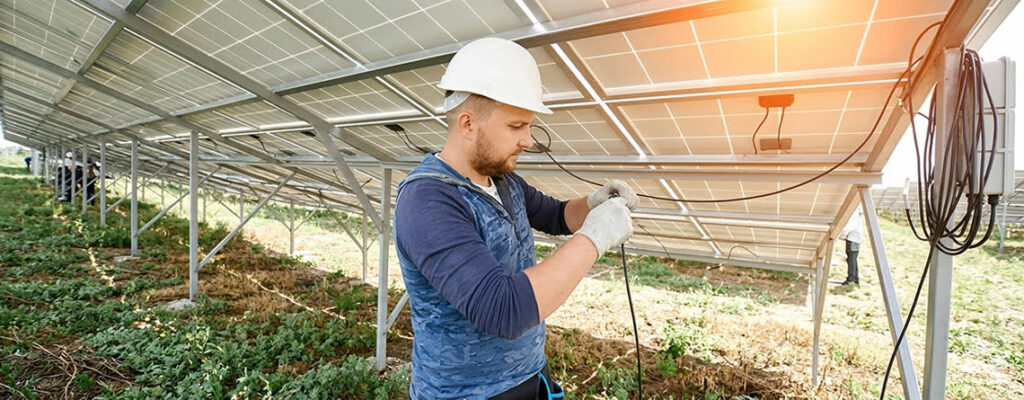
3. Installation Quality
Even the best cable will not last if the installation is poor.
Common mistakes include:
- Tight bending
- No proper cable support
- Dragging cables on rough surfaces
- Exposing joints to water
Professional installation increases cable life.
4. Moisture & Rain
Outdoor cables face:
- Rain
- Humidity
- Water exposure
Poor-quality cables absorb moisture, which causes corrosion.
Premium solar cables use:
- Tinned copper conductor
- Halogen-free XLPO sheath
This protects the copper from rust and oxidation.
5. Rodents and Physical Damage
In some areas, rodents chew on cables. This can expose wires and create short circuits.
Using armored cables or protective conduits can prevent this issue.
Understanding Cable Size and Current Rating
Another important factor that affects lifespan is selecting the correct cable size. If the cable is undersized, it overheats and fails early.
Always check the proper cable size and current rating PDF provided by the manufacturer before installation. This ensures:
- Safe current carrying capacity
- Reduced voltage drop
- Longer cable life
- Improved system efficiency
A professional electrical wires and cables manufacturer will always provide proper technical documentation to help you choose the correct cable size.
Signs Your Solar Cables May Be Failing
Solar cables usually don’t fail suddenly. There are warning signs.
Watch out for:
- Drop in solar system performance
- Frequent inverter errors
- Visible cracks in insulation
- Discoloration or melting marks
- Loose connections
If you notice any of these signs, get your system checked immediately.
Early detection can prevent bigger losses.
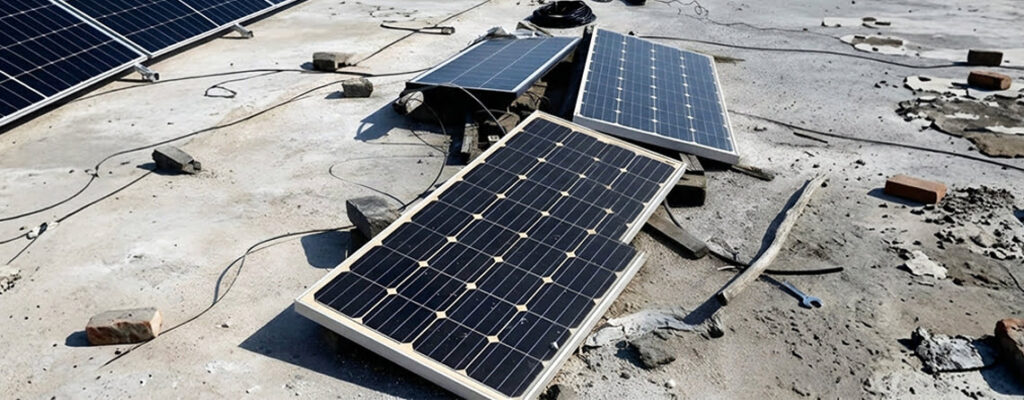
What Are the Effects of Damaged Solar Cables?
Damaged cables can cause:
- Power Loss: If electricity leaks or resistance increases, your system produces less usable energy.
- Overheating: Poor cables create resistance, which leads to heat buildup.
- Fire Risk: Exposed wires or overheating can cause serious fire hazards.
- System Shutdown: The inverter may stop working to protect the system.
That’s why cable quality is not something you should compromise on.
How to Increase the Lifespan of Your Solar Cables
Now let’s talk about your benefit.
Here’s what you can do to make sure your solar wires last as long as possible:
Choose Certified Cables
Always buy cables that meet international standards.
Avoid Cheap Alternatives
A low price today can mean high replacement cost tomorrow.
Hire Professional Installers
Proper routing, clamping, and protection matter a lot.
Use Protective Conduits
Extra protection from physical damage increases lifespan.
Regular Inspections
Check your system once or twice a year.
Choose Reliable Solar Cables for Long-Term Performance
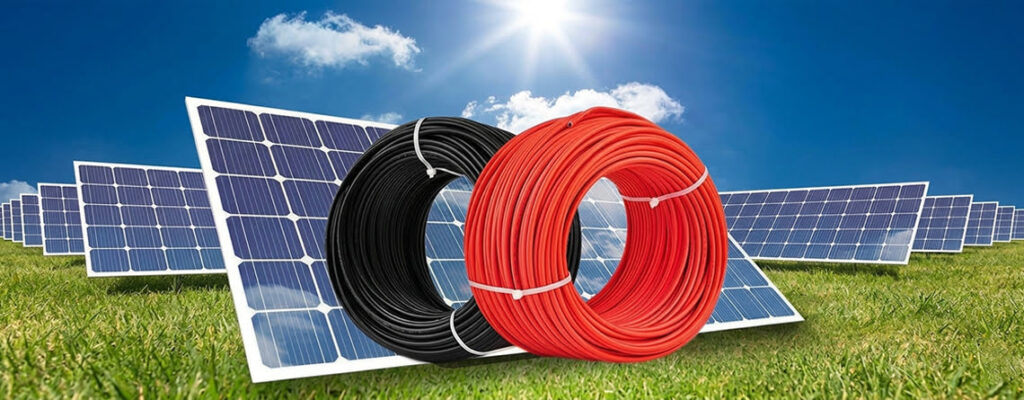
If you are looking for high-quality, durable, and internationally certified solar cables and wires for your residential, commercial, or industrial solar projects, consider choosing Universal Cables Industries Ltd., a trusted solar wire manufacturer in Pakistan. With a strong reputation in Pakistan, certified manufacturing standards, and a commitment to long-lasting performance, Universal Cables offers reliable XLPO solar DC cables designed to perform safely even in harsh weather conditions.
Contact Universal Cables today to power your solar system with confidence and build a greener future.
Our Advice to You
If you are installing a solar system for your home, factory, or commercial building:
- Don’t ignore cable quality
- Ask for certifications
- Check conductor material
- Ensure UV and heat resistance
Remember:
Your solar system is a long-term investment.
Your cables should be too.